The Louwman Museum: telling the story of automotive
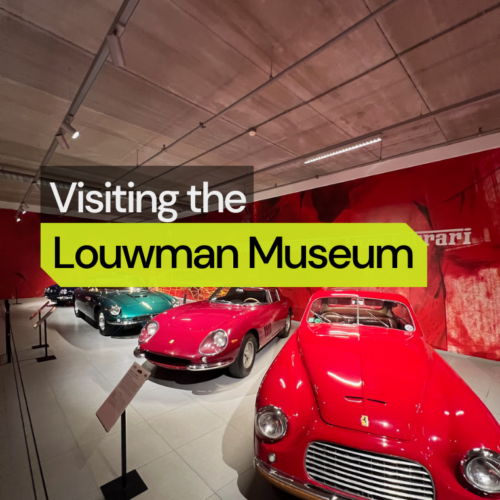
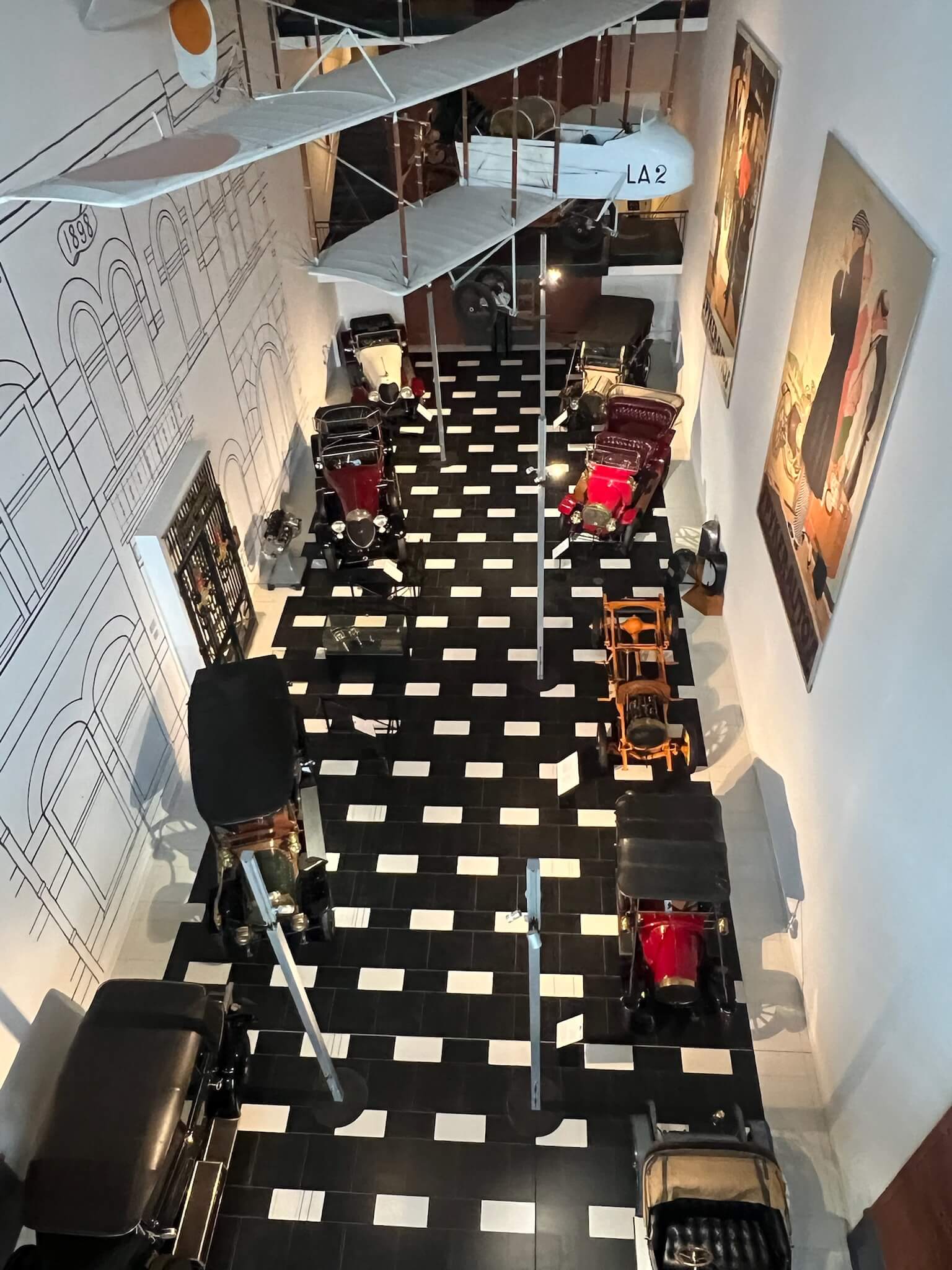
At the Louwman car museum in The Hague, the Netherlands, visited by the Commody team together with partners ClassicCarRatings, it is easy to forget that you are in a museum. The exhibits are not lined up in rows, and there is no clearly defined beginning or end. Cars are arranged by periods, placed alongside other models of their time.
It is the oldest publicly accessible private car museum in Europe, and all exhibits belong to the Louwman family, who founded these homes for petrolheads. The building itself is modern, yet its architectural solutions are deliberately restrained and do not compete with the exhibition for attention. Large halls, generous spacing between cars, and even lighting. There are no arrows or signs telling you where to start or where to go next: the visitor decides for themselves where to linger and what to pass by.
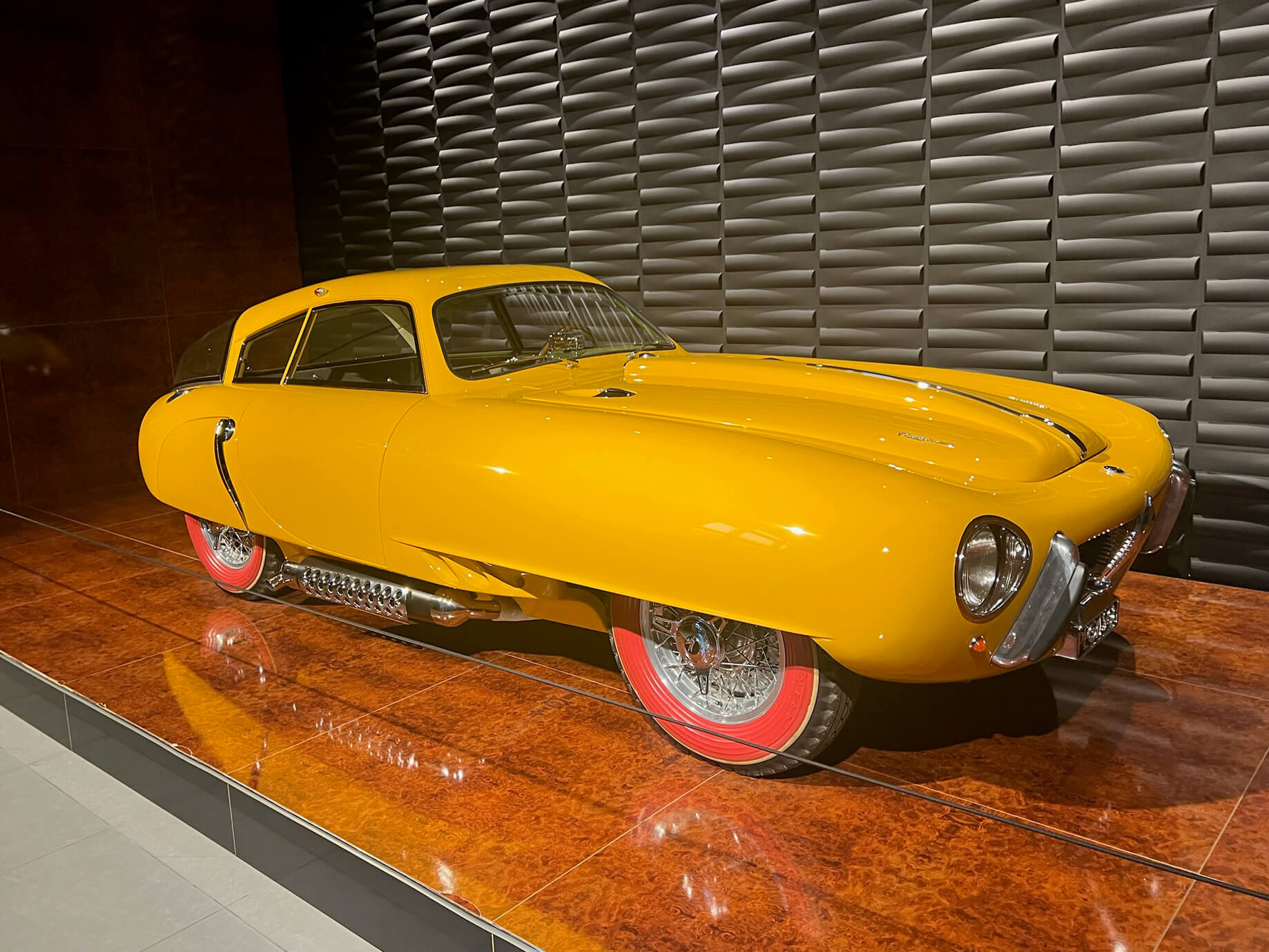
After a few halls, there is no longer a desire to look for the “most important” exhibit. The Louwman museum does not reveal the beauty or exclusivity of cars, but rather decisions – the choices engineers made in different periods and how those choices shaped the automobile.
Quality, not quantity
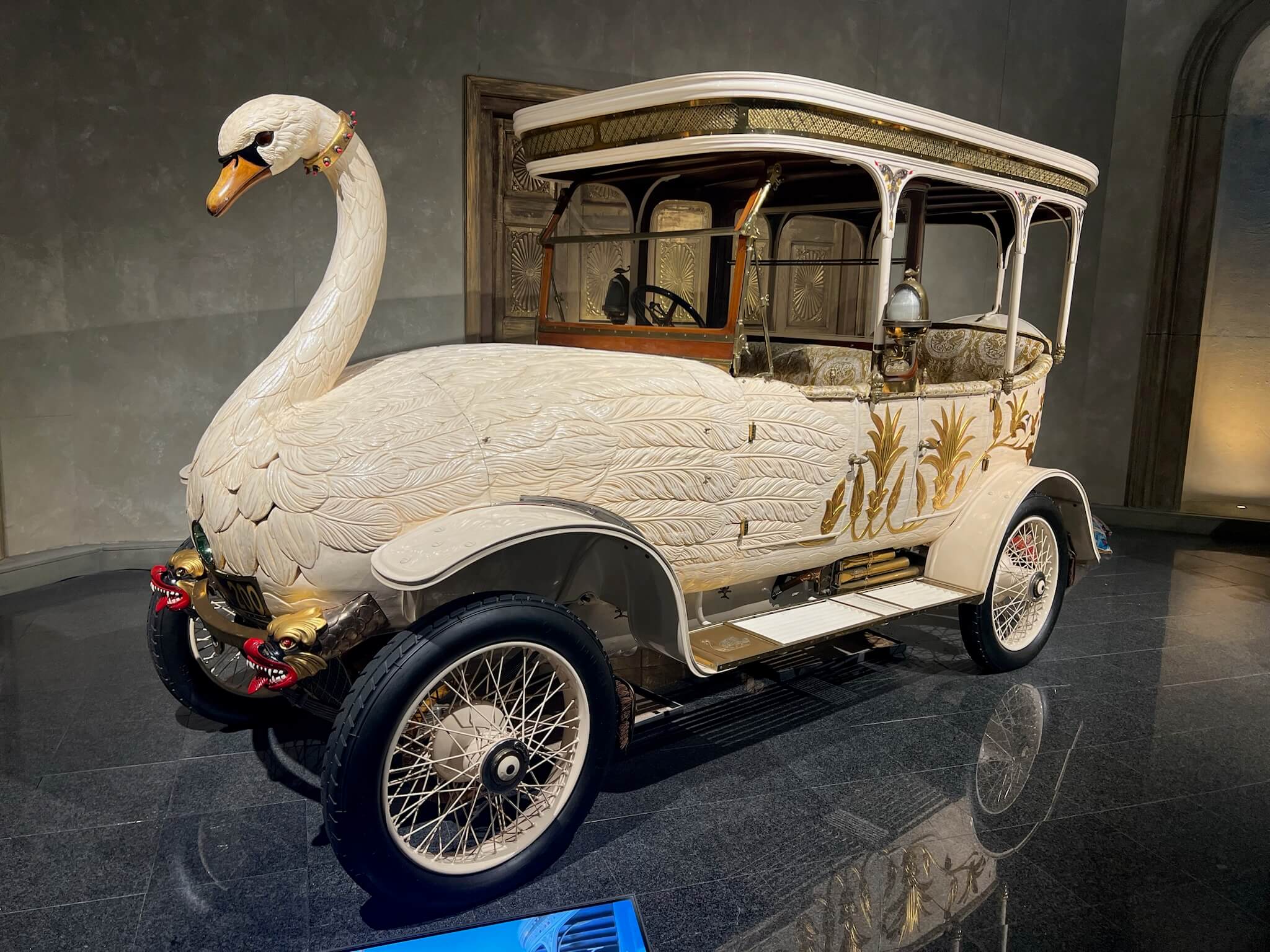
The Louwman collection spans more than a century of automotive development. With over 275 cars, it includes everything from early internal combustion experiments to late-20th-century sports cars. Yet the exhibition does not rely on numbers. Each car is selected for a specific reason: a technological breakthrough, historical significance, or the broader context in which it emerged.
Alongside the cars are other objects: advertising posters, examples of driving equipment, racing memorabilia, and design sketches. These elements are not a decorative background. They help to understand how technical solutions were presented, used, and perceived in their own time.
Technology without excess
One of the earliest exhibits in the collection is the International Benz, a Benz car assembled in the United Kingdom, distinguished by its British-style bodywork and extensive use of brass.
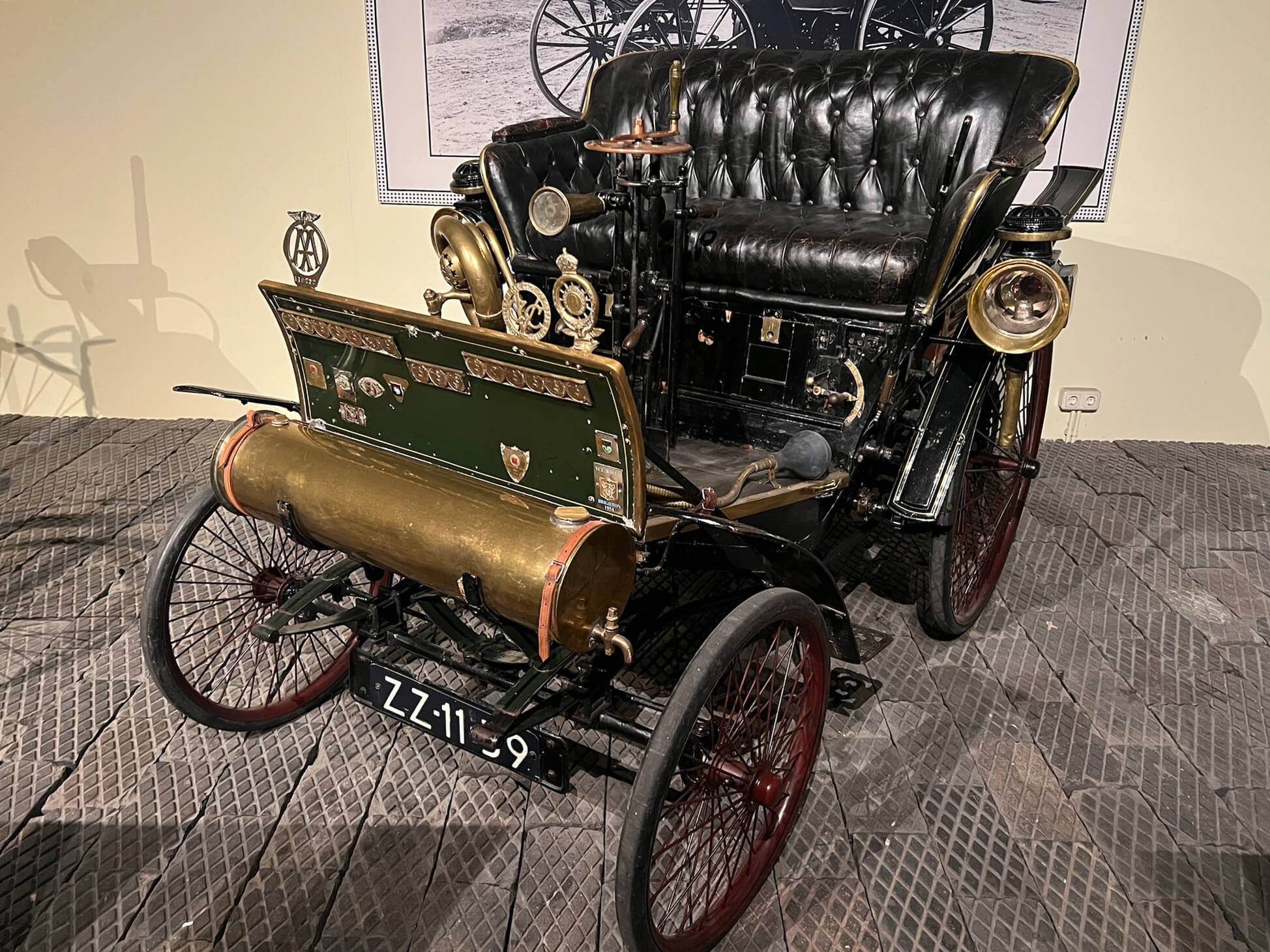
By today’s standards, its construction is simple: exposed mechanics, minimal bodywork. Yet at the time it marked a turning point – the transition from isolated engineering experiments to real production.
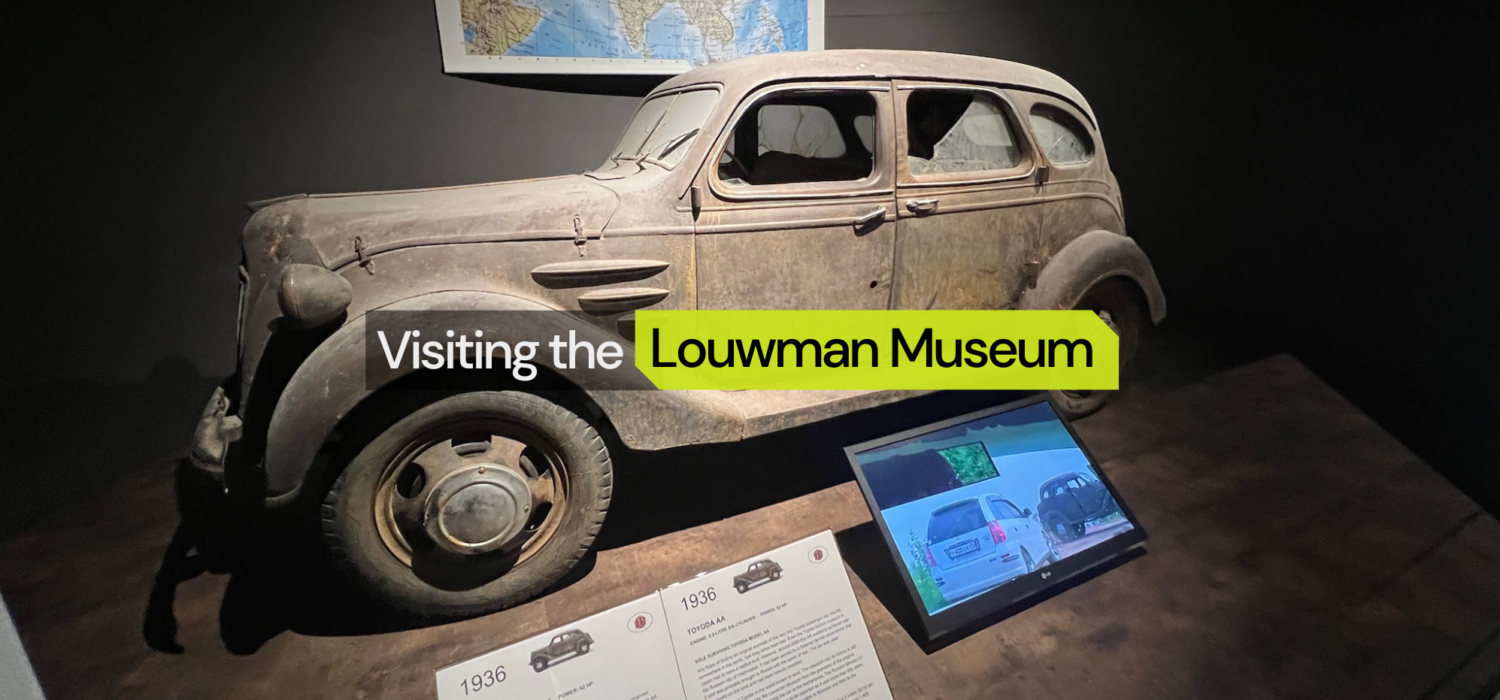
Special attention in the museum is given to the Toyoda AA, the car from which Toyota’s history began. This is the oldest surviving Toyoda AA, and according to long-circulating market rumours, it was precisely this example for which the Toyota family presented the Louwman museum with a so-called “blank cheque”, allowing an unlimited offer to secure the car.
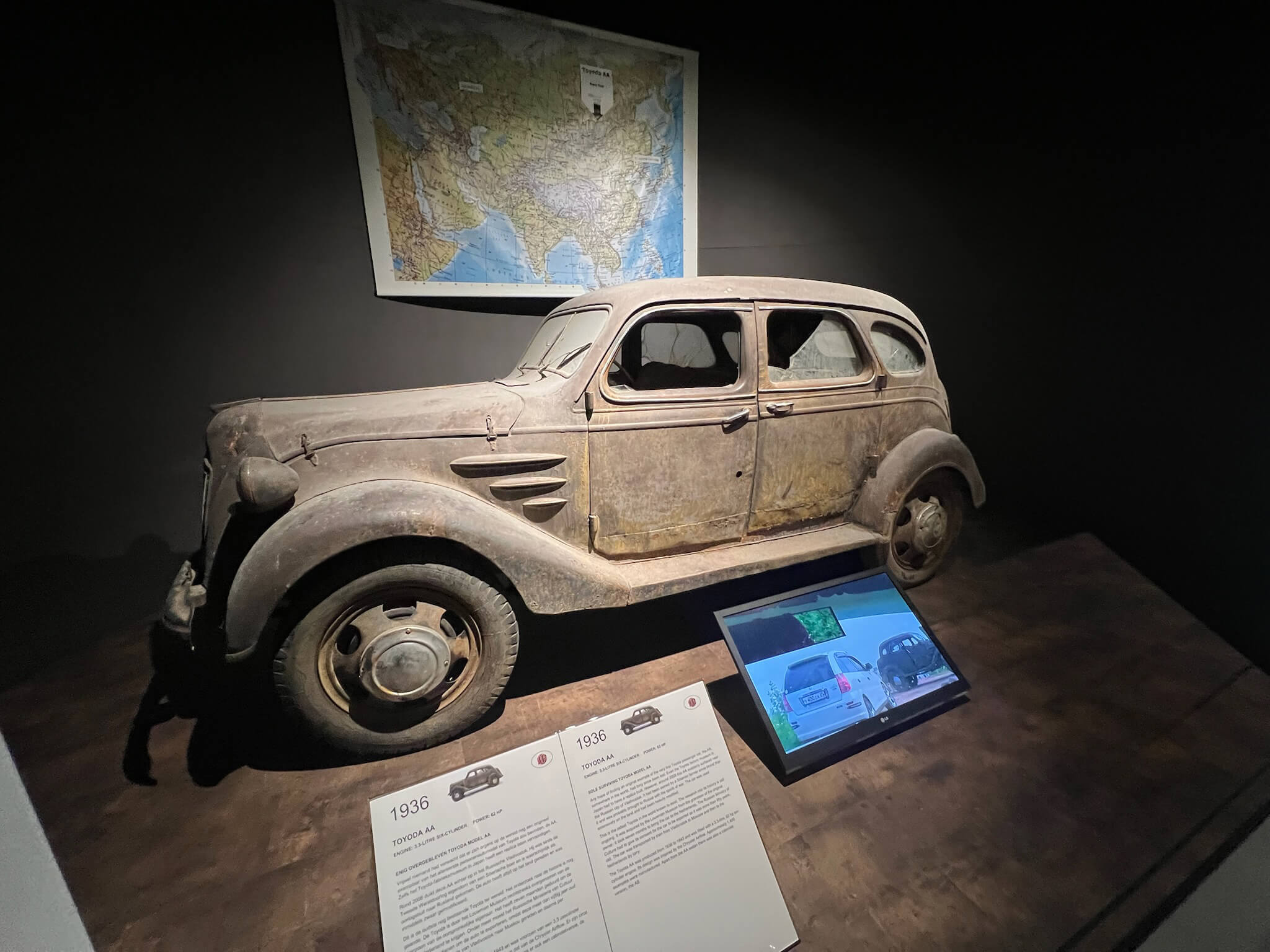
In the interwar and postwar periods, cars were already being conceived differently. They were no longer intended merely to travel from point A to point B. Body form and purpose became important: everyday use, sport, or representation. This shift is clearly visible in the exterior and interior solutions of different models.
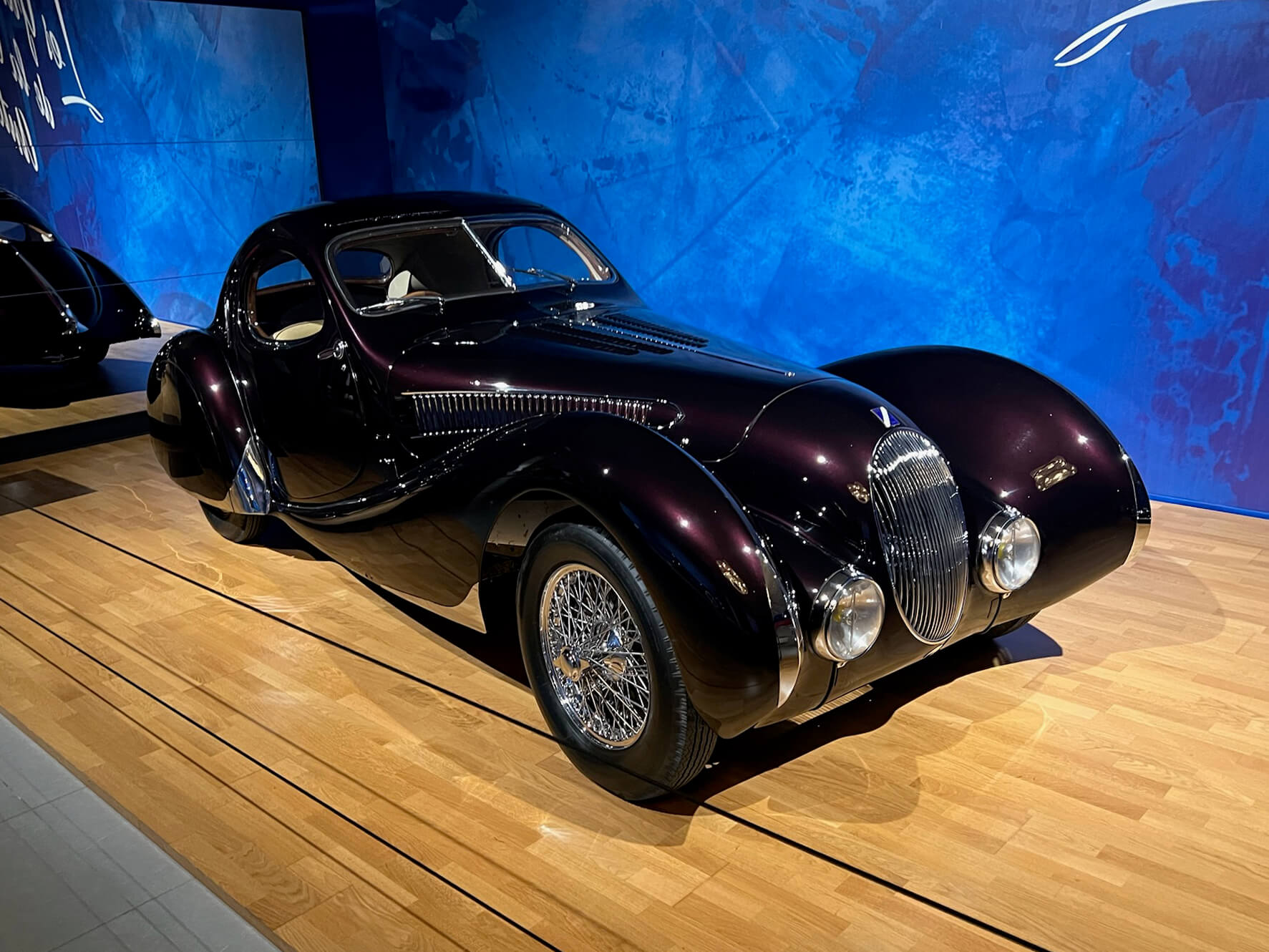
The Bugatti Type 57SC Atlantic features a hand-formed aluminium body joined by rivets. A long engine bay at the front, a low body line. Such construction limited production to only a small number of cars.
Sport as a testing ground
At the Louwman museum, it becomes clear how motorsport shaped the automobile. Here it is linked to engineering, not to results or trophies.
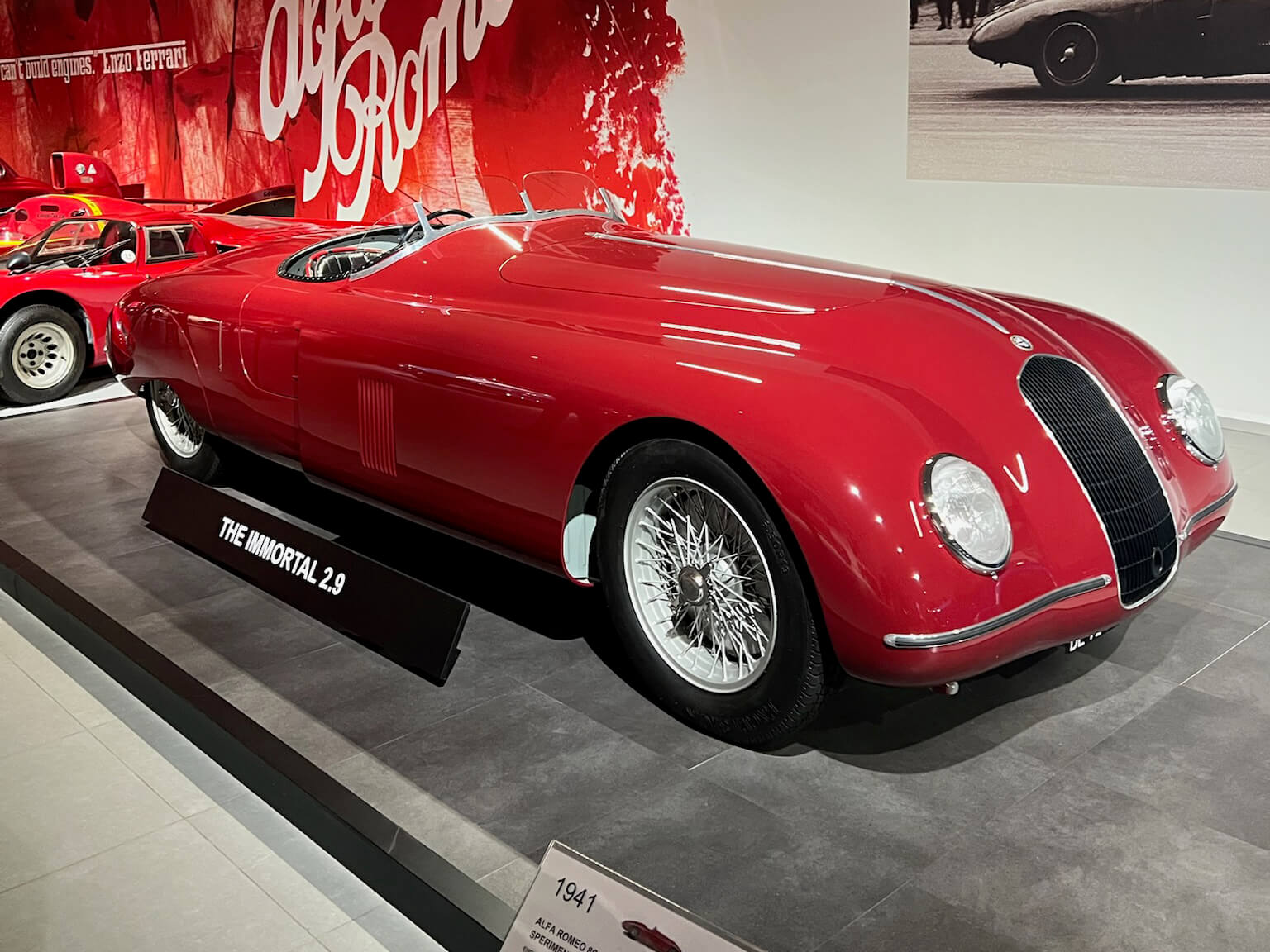
The Alfa Romeo 8C 2900B Spider Corsa is the final car of the 8C 2900 series, whose individual parts were unexpectedly discovered in Buenos Aires, Argentina, decades after its active racing life. This experimental, aerodynamically shaped “Balena” model with a 180 hp engine is regarded as the most powerful and advanced pre-war Alfa Romeo sports car.
Standing nearby, the Toyota 2000GT represents a different character. Its construction, restrained design, and build quality reflect a methodical, patient approach.
These cars remind us that collectible value most often forms not through advance planning, but when technical decisions and intended purpose prove to be enduring.
Consistency and logic
What stands out most at the Louwman museum is the coherence of the collection. There are no random cars here. Even mass-produced models are chosen for clear reasons: they mark turning points, trends, or technological shifts.
This selection makes it easier to understand why some cars remain significant for a long time, while others fade quickly.
The Louwman museum shows how collectible cars can be presented without excessive emphasis. Here they are seen through construction, purpose, and their place in the broader story.
Over time, this approach is what creates lasting value. Not through spectacle, but through consistency and a clear relationship with technology.
A visit to the Louwman museum leaves not an emotion, but an understanding. Cars here are seen through time, decisions, and purpose. Such a relationship with technology endures.