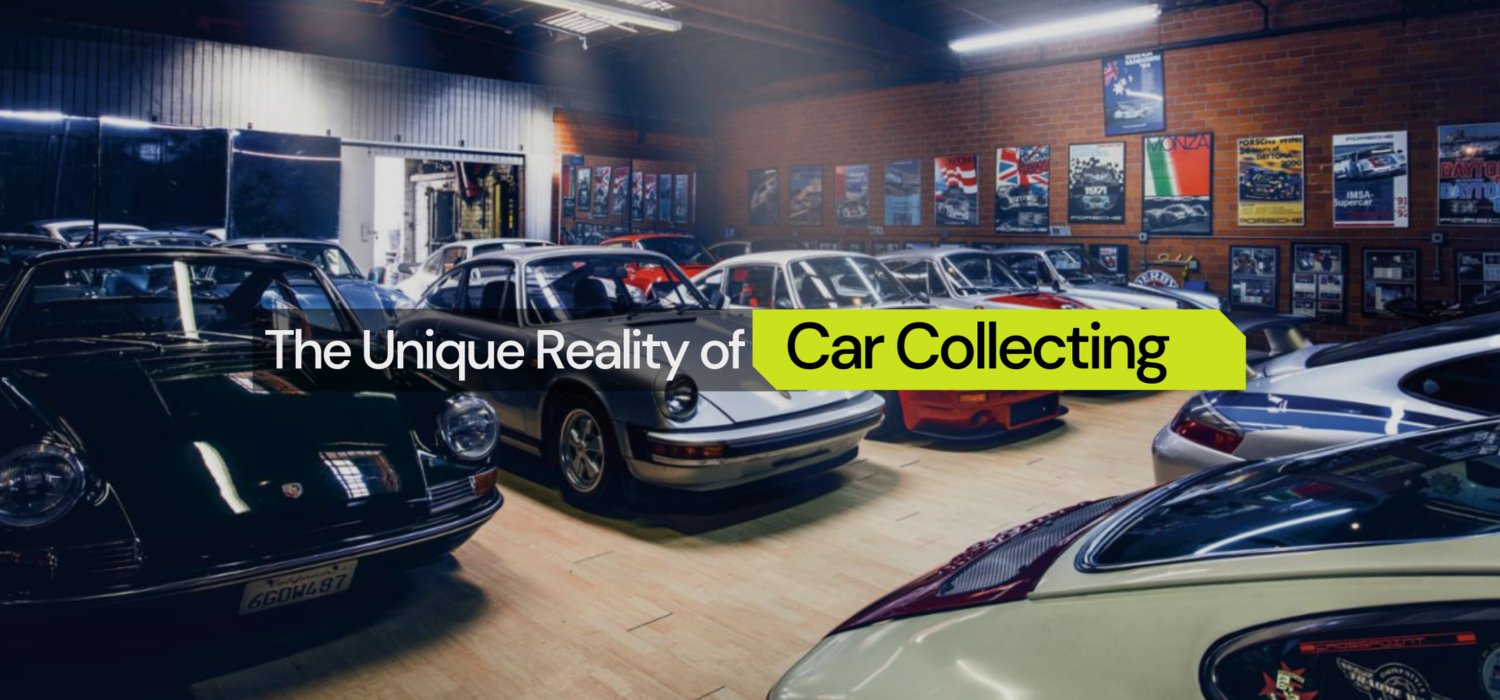
The Unique Reality of Car Collecting
Car collecting often looks straightforward from the outside. You buy the car, and its value should hold or grow over time. But real collecting is not just a purchase. It is owning a physical asset with real requirements that take time and, inevitably, money.
Financial Resources
The biggest mistake is assuming the expenses end when the car is bought. In many cases, that is where they begin.
A purchase is almost always followed by verification work: a pre-purchase inspection, diagnostics, paint-depth readings, suspension checks, and a general condition assessment. You pay for this, so you are not buying blind, but buying a car that can actually sustain collectible value. Depending on the model, a proper inspection can realistically cost a few hundred euros or more. It is also worth noting that collectible cars are often transported in enclosed carriers, especially when the paint condition is sensitive or the car carries hard-to-replace original parts. One trip across Europe can cost anywhere from a few hundred to a few thousand euros, depending on distance and transport type.
Insurance for a collectible car is not just “a mandatory formality.” You often choose between a minimal setup (rare use, clear rules, strict limits) and broader protection when you want peace of mind around theft, fire, transport, or storage risks. Price depends on the car’s value, storage conditions, and how often it is driven, but the key is not the number. It is the wording: what is actually covered, how value is defined, and what happens to original parts after an incident. In practice, insurance can easily run from a few thousand to the low tens of thousands per year.
Ongoing maintenance
There is a line you hear often in the old-car world because it is true: “A car doesn’t like to sit.”
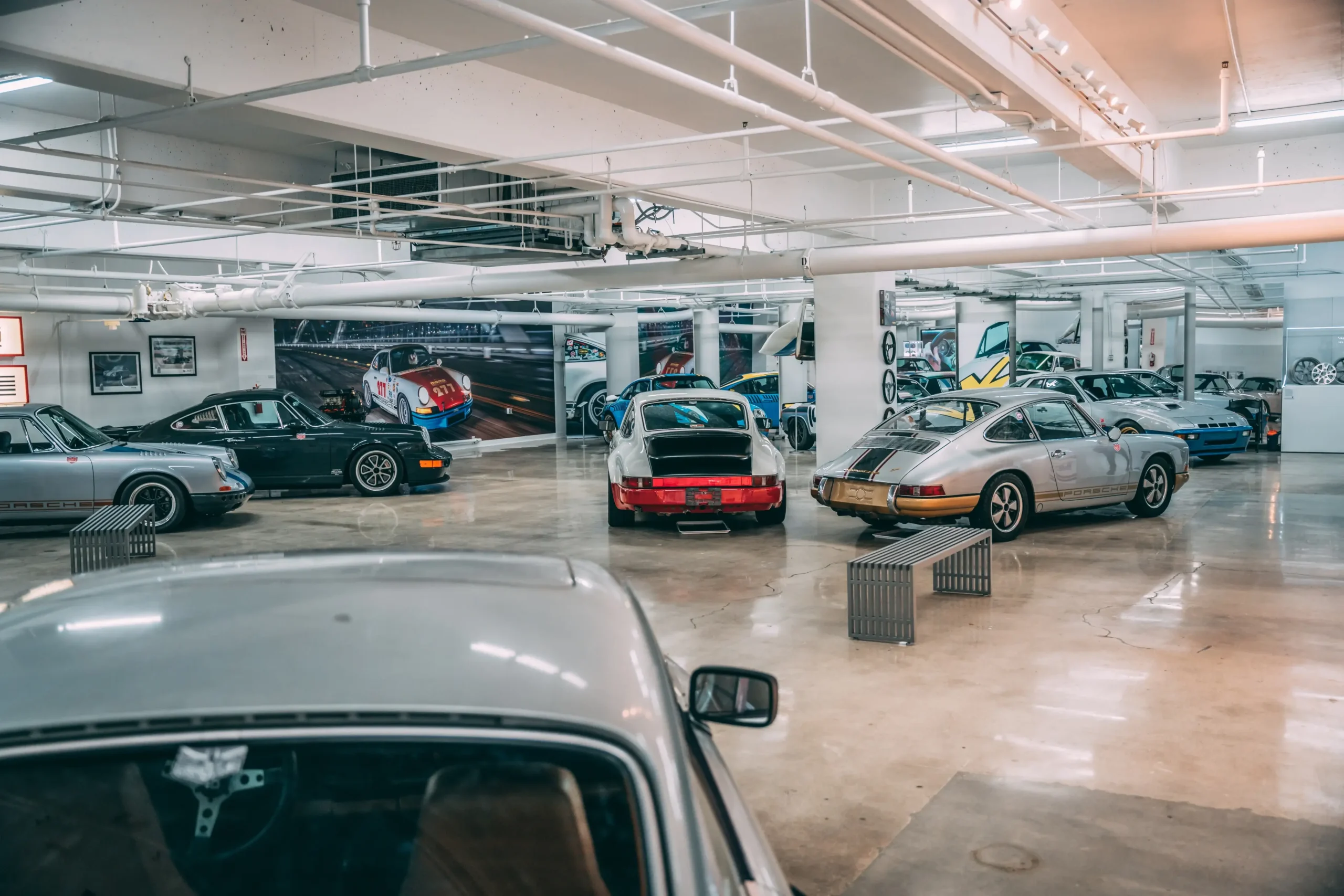
Even a car in excellent condition needs movement and care. Tyres age with time, not mileage, so every few seasons you may have to replace them even if the tread still looks acceptable. Fluids follow the same logic: brake fluid, coolant, engine oil, and filters lose effectiveness over time. The interior also needs attention if you want to keep the smell, leather elasticity, and the condition of wood or plastics. Then there is the battery, and the small parts that matter more in a collectible car than in a daily driver. They need to be “correct”: the right OEM code, the right period component, sometimes even a specific revision of a part. These details shape the car’s overall condition and the credibility of its value. Any collector also has to answer a few core questions: which workshop can do the work without harming value? How do you select parts without losing authenticity? How do you document everything so the car’s history stays clear and trusted?
At that point, collecting becomes management. Ongoing care is not a casual hobby.
Storage
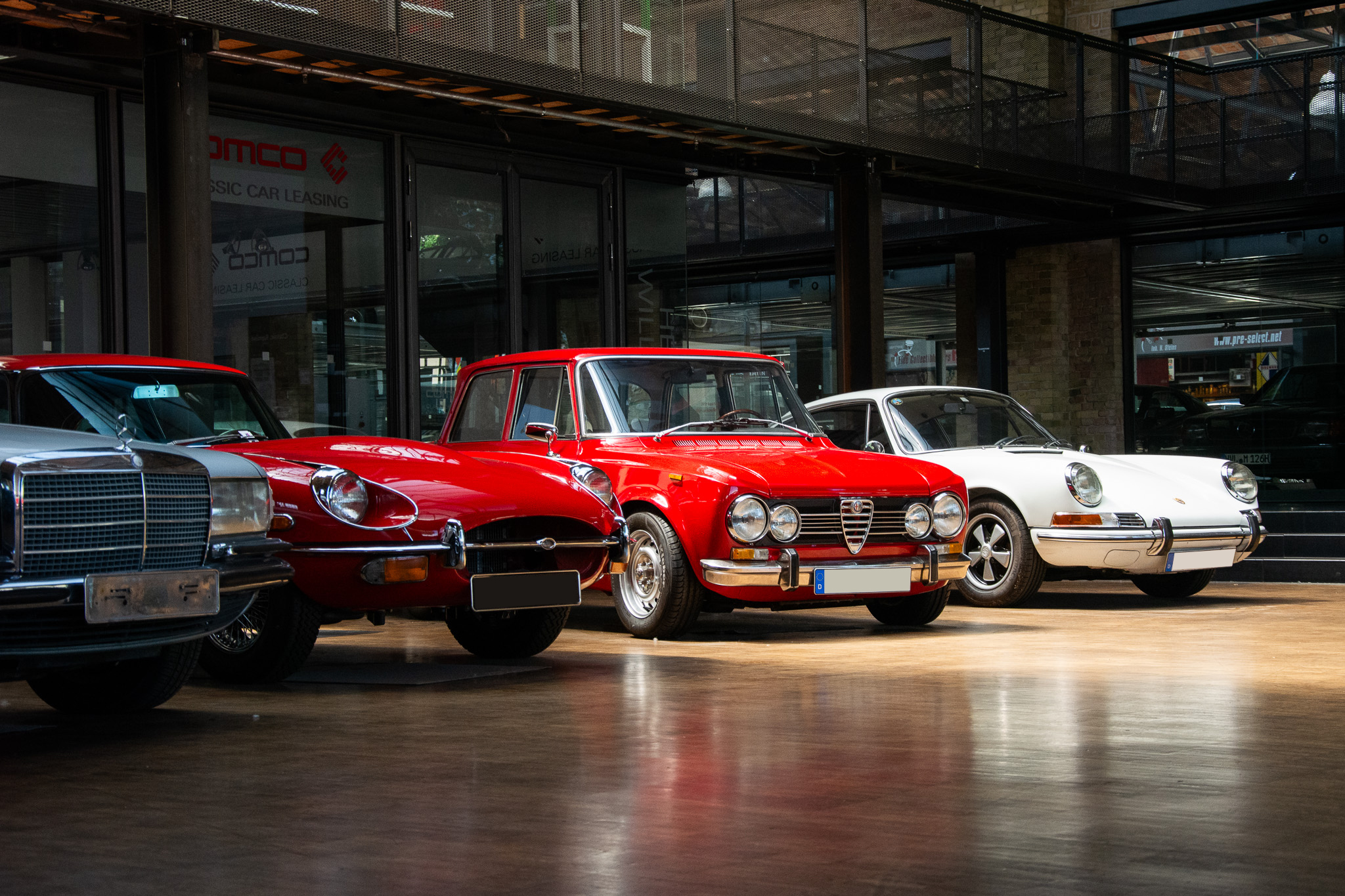
A collectible car does not just need an empty room. It needs conditions.
A garage that works for a daily car often does not work for a collectible one. Humidity, temperature swings, dust, condensation, and poor ventilation. These factors slowly but consistently increase risk, not only to the bodywork but also to interior materials, electrical systems, and the chassis. What you really need is space with climate control, security, and good sealing. That includes simple items many people do not plan for at the start: a proper car cover, a dehumidifier, a battery maintainer, and tyre cradles to prevent flat spots. If you do not have the space, it becomes a service. Specialised storage in Europe often costs a few hundred euros per month, depending on the conditions offered.
Liquidity
A collectible car is not liquid like a publicly traded stock or an investment fund.
You can almost always sell quickly if the price is below the market. Selling at a rational price often takes time. You need a buyer who fits the spec, colour, history, mileage, and condition. You need documentation. You need to show the car. Sometimes you need to move it to another country because demand differs sharply by market. This is why collecting also requires market understanding, not just taste.
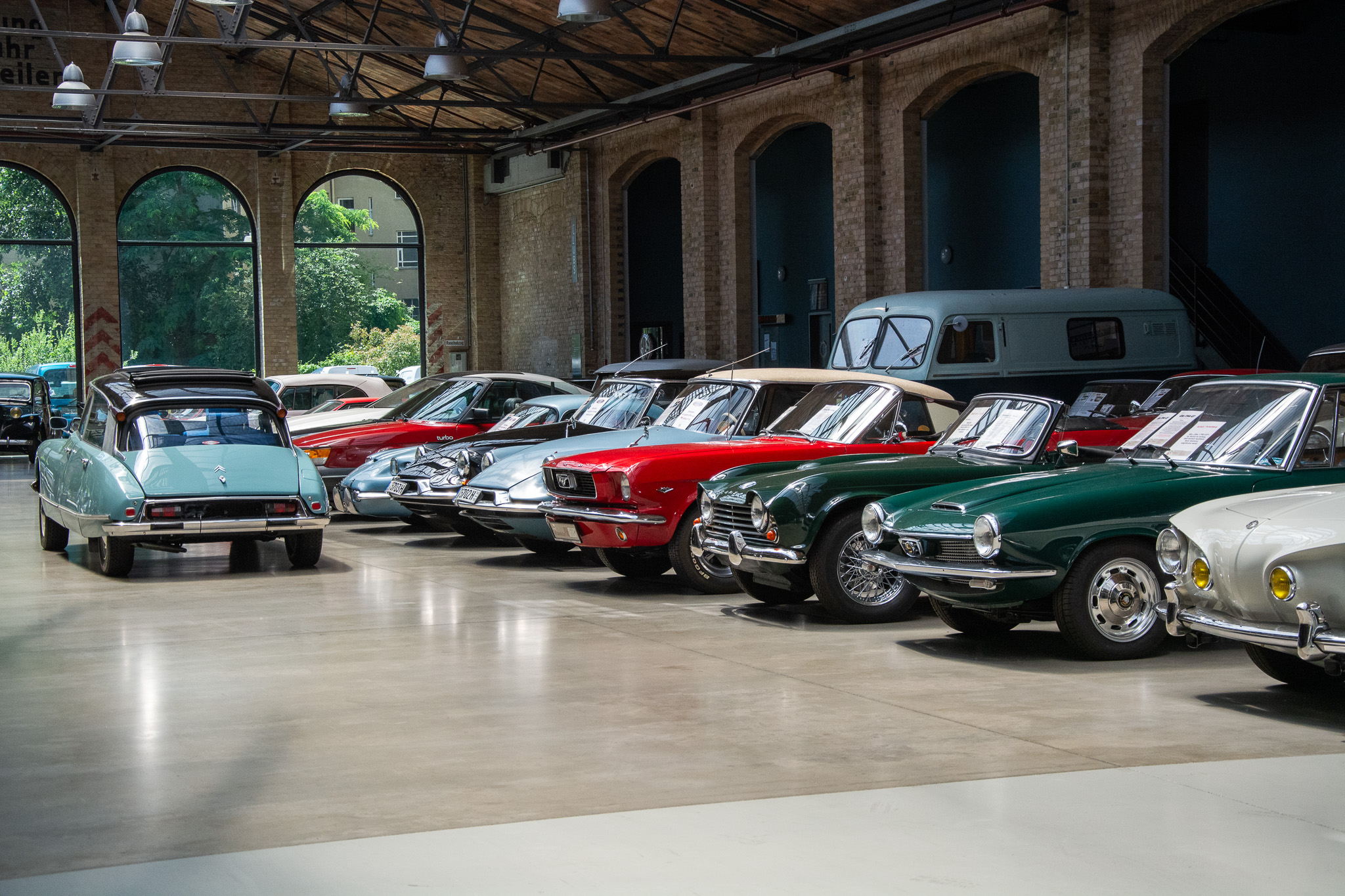
Why do many people stop at “I’d like to”
Many people follow cars seriously. They read, watch, compare, and learn the stories. But the decision to act fades for practical reasons.
You need space. You need time. You need a budget that does not end with the purchase. You need partners you can trust. You need confidence that the asset will be cared for to the standard its value demands.
What Commody changes
Commody is built so the collecting experience does not start with bureaucracy, high fixed costs, time drain, and the full weight of ownership. The platform makes entry simpler by letting you collect a fraction of a car without taking on the day-to-day logistics. What stays intact is what matters in collecting: the object, its history, its condition, and its documentation. You get a clear, official link to the asset without the daily operational burden.
The reality of collecting does not disappear. It just becomes manageable, so the collector can return to the core of it: the car itself, not the problems of keeping it.