British Classic Cars: A Legacy of Design, Heritage, and Value – Part Two
Alongside the grand lineage shaped by names like Aston Martin, Jaguar, Bentley and Rolls-Royce, Britain’s automotive history has always had another, equally important current. Lotus, MG, Land Rover and MINI built cars not for ceremony, but for purpose. They span different eras and philosophies, yet share the same foundations: clear engineering logic and instantly recognisable character.
Each brand tells a story of British ingenuity. Lotus pursued light, precise sports cars. MG offered a more attainable interpretation of driving pleasure. Land Rover defined the blueprint for the durable, do-anything utility vehicle. And MINI reshaped the idea of a compact car by proving that “small” can mean smart, practical and spirited.
Though their paths differ, they rest on the same core principles: simplicity, clarity and mechanical longevity. It is this blend of function and identity that has secured their place in Britain’s automotive heritage – far beyond the tides of short-lived trends.
LOTUS – the Purest Expression of British Sportiness
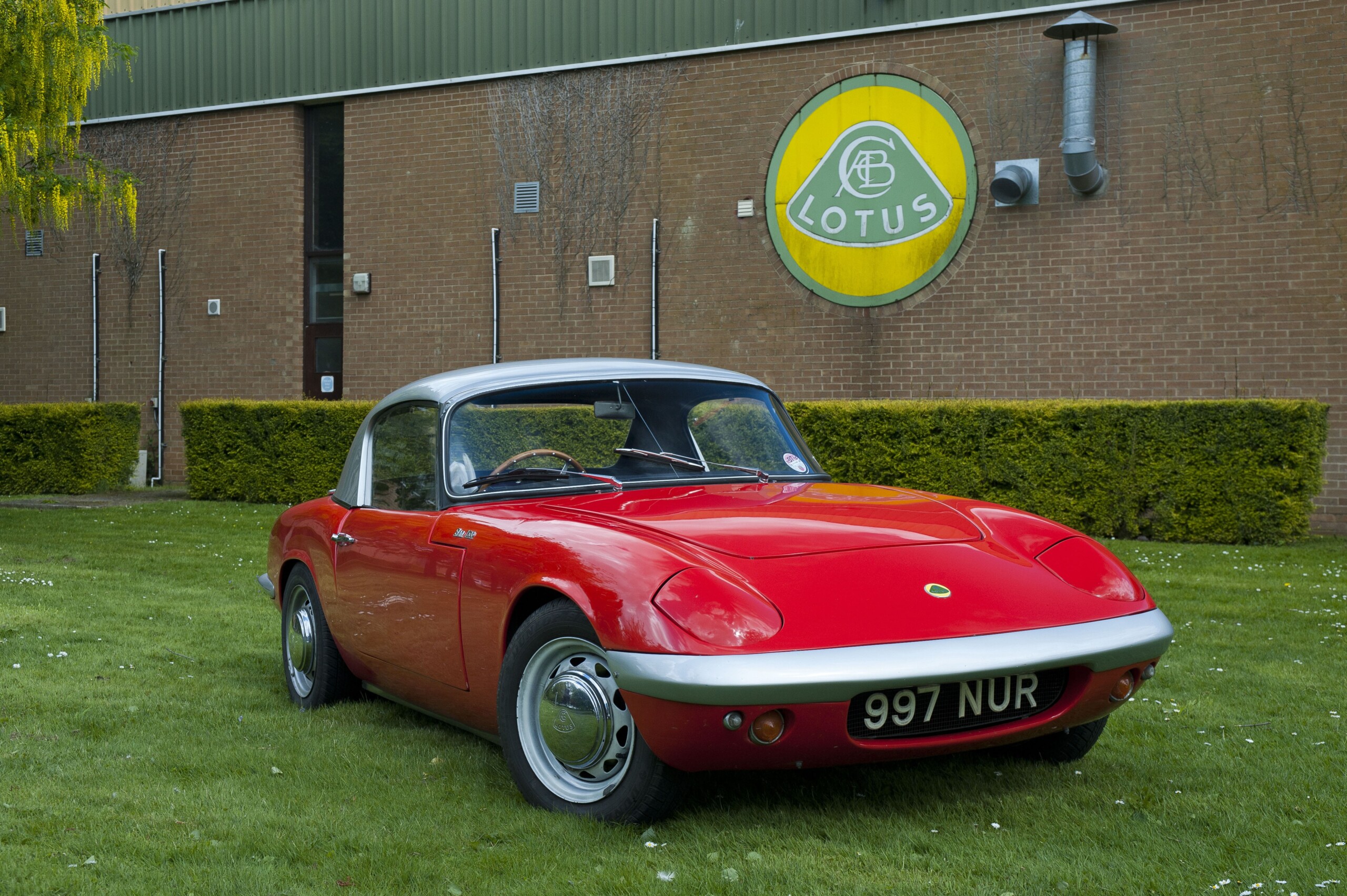
From the beginning, Lotus lived by a singular philosophy. Founder Colin Chapman believed that a true sports car had to be as light as possible. The Lotus Elan, introduced in the 1960s, cemented this idea. Its steel backbone chassis, fiberglass body and advanced suspension created a car lighter than most competitors of its day, with steering so precise it became a benchmark.
Debuting in 1996, the Elise S1 carried that philosophy into the modern era. A mid-mounted engine, bonded aluminium frame and sub-800 kg weight produced an unfiltered sports-car experience stripped of anything unnecessary. In an age of growing complexity, the Elise offered something increasingly rare: a direct, honest connection to the road.
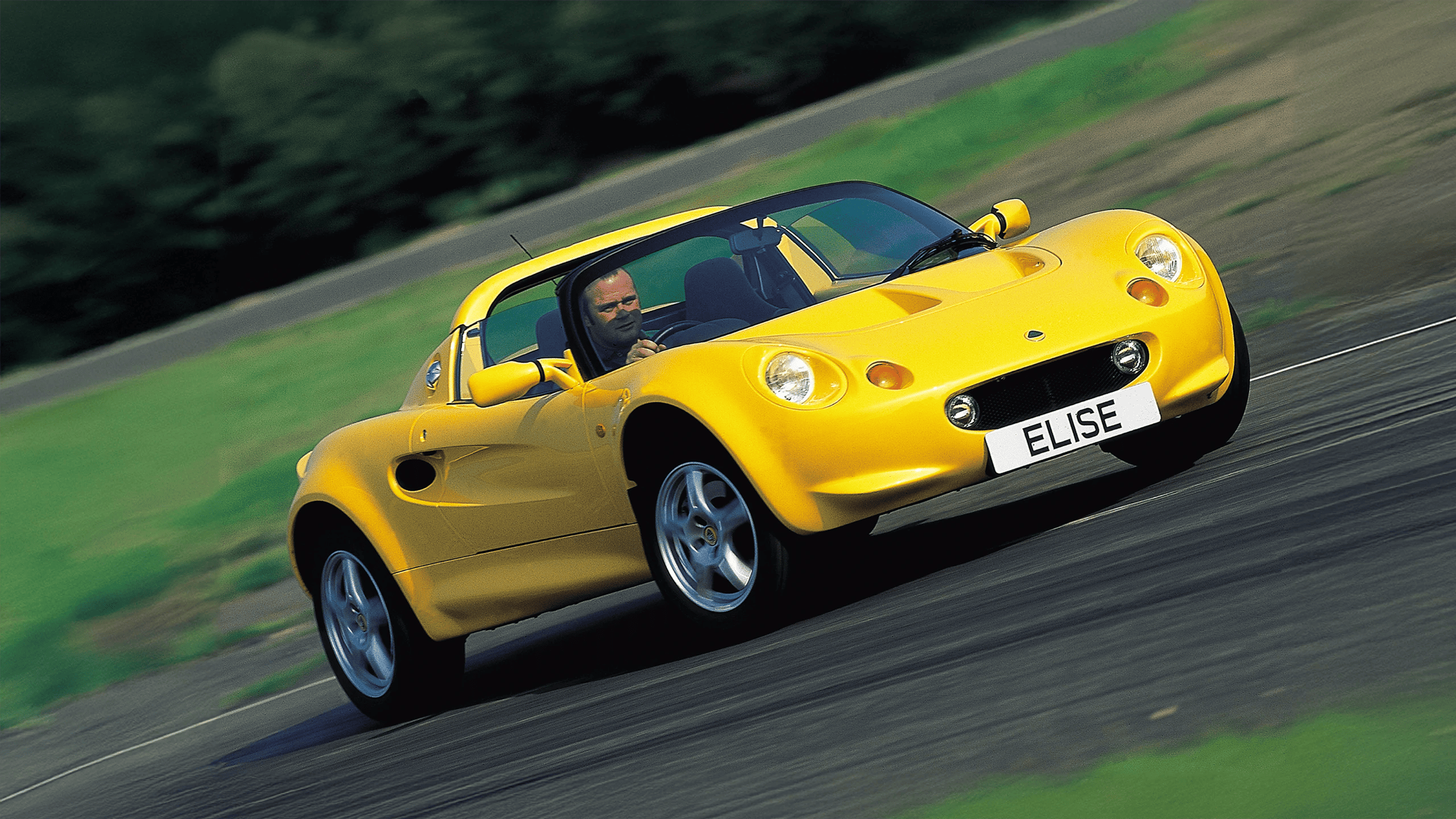
Because of this purity, Lotus never aimed for mass appeal. These were cars for people who value feel above all else. The Elan is now regarded as one of the most significant sports-car designs of the 1960s, while early Elise models are celebrated as some of the most desirable modern classics. They prove that brilliance in a sports car doesn’t always shout – sometimes it whispers.
MG – Sportiness Made Accessible
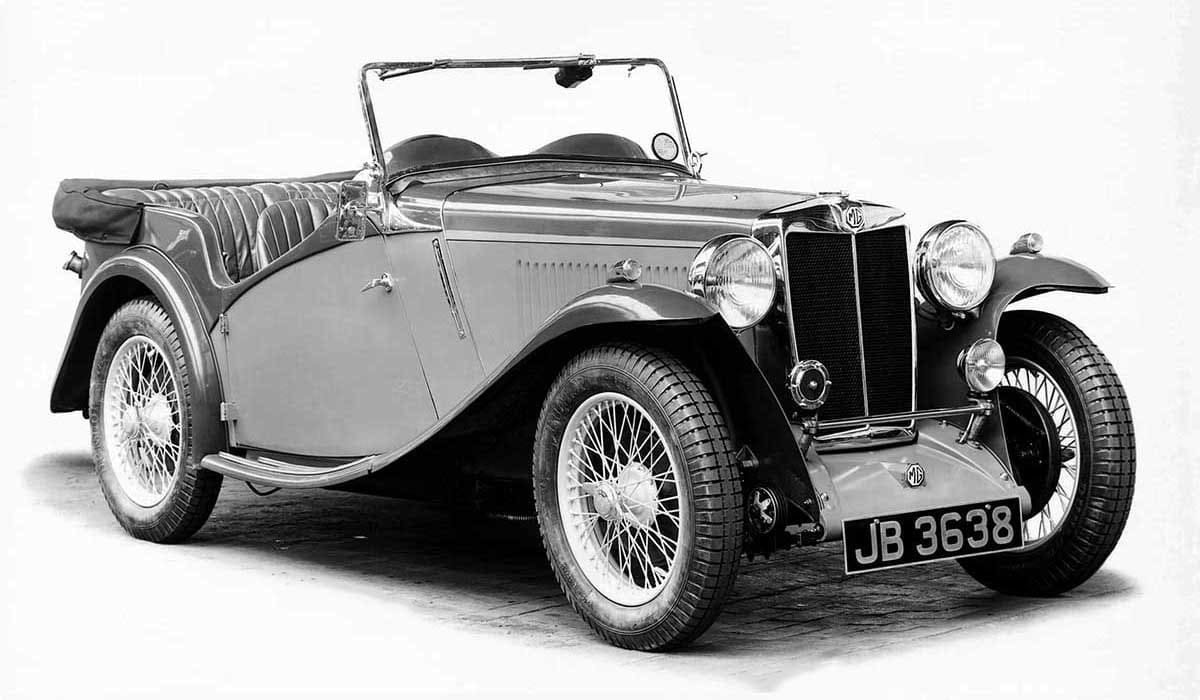
MG’s story began in the interwar years, when “Morris Garages” evolved into a dedicated sports-car brand. The T-Type roadsters of 1936–1955 defined the visual language of the classic British sports car: long bonnet, low stance, folding windscreen and exposed wheels designed for narrow country roads. Their construction was simple, but their driving feel – light, engaging, unmistakably MG – made them special.
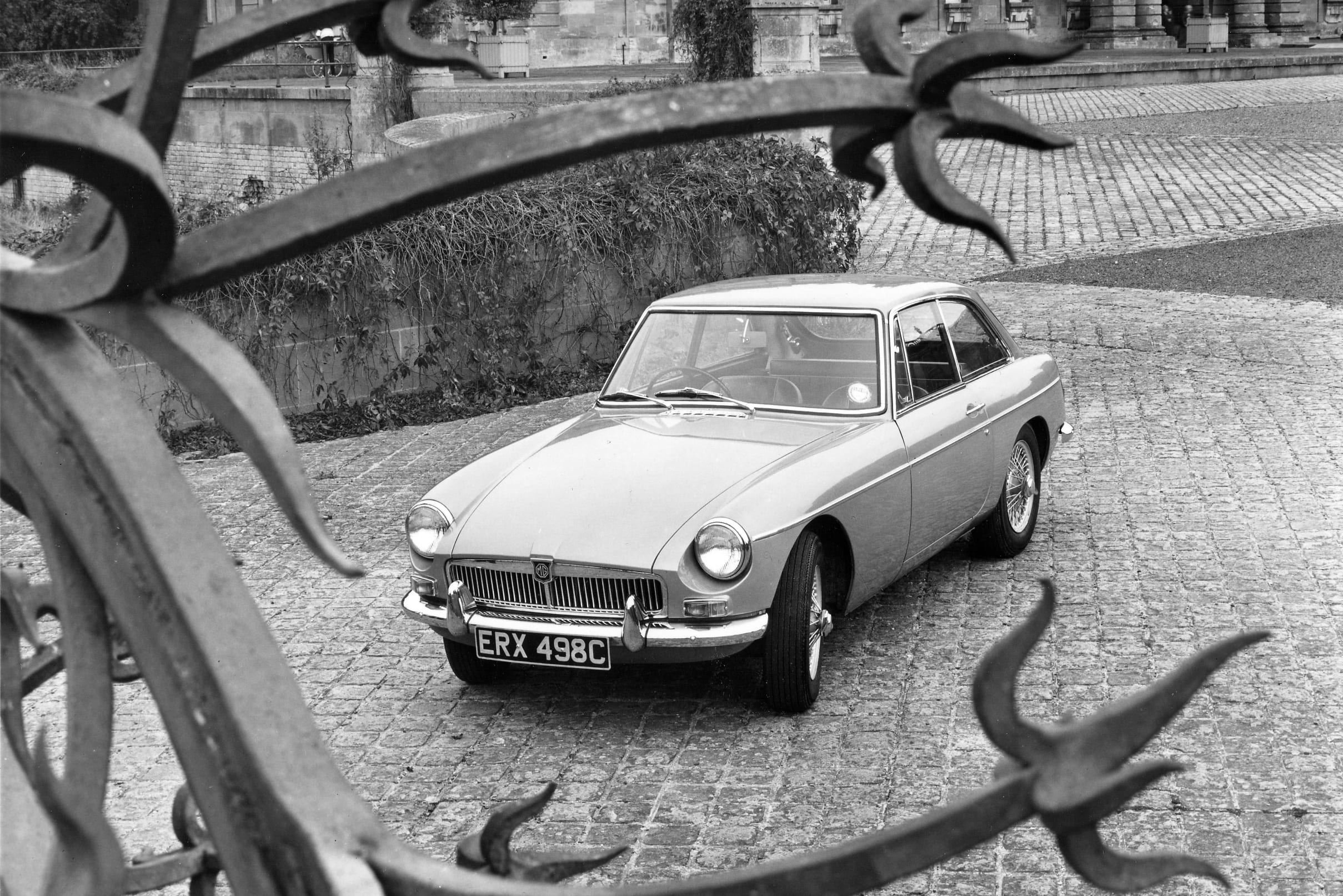
The MGB, introduced in 1962, was a natural leap forward. With its unibody structure, stronger silhouette, more practical interior and two body styles – open-top roadster and later the MGB GT coupé – it offered broader appeal. More than half a million units were built over 18 years, making the MGB one of the world’s most successful sports cars. It kept the classic front-engine, rear-wheel-drive formula, yet remained comfortable enough for daily use, earning the nickname “the people’s sports car.”
Today, the MGB and its MG siblings often serve as an enthusiast’s entry point into classic motoring. Parts availability is excellent, communities are active, and prices remain friendlier than many German or Italian alternatives. The MGB, especially the GT, continues to be a reliable choice for those seeking a classic roadster or coupé whose value grows slowly but steadily.
Land Rover – A Formula for Durability, Unchanged by Time
The original 1948 Land Rover Series I was created as a dependable working vehicle for farms and industry – simple, robust and capable of going where others could not. Its aluminium body, stout ladder frame and spartan cabin were not style choices but practical necessities.
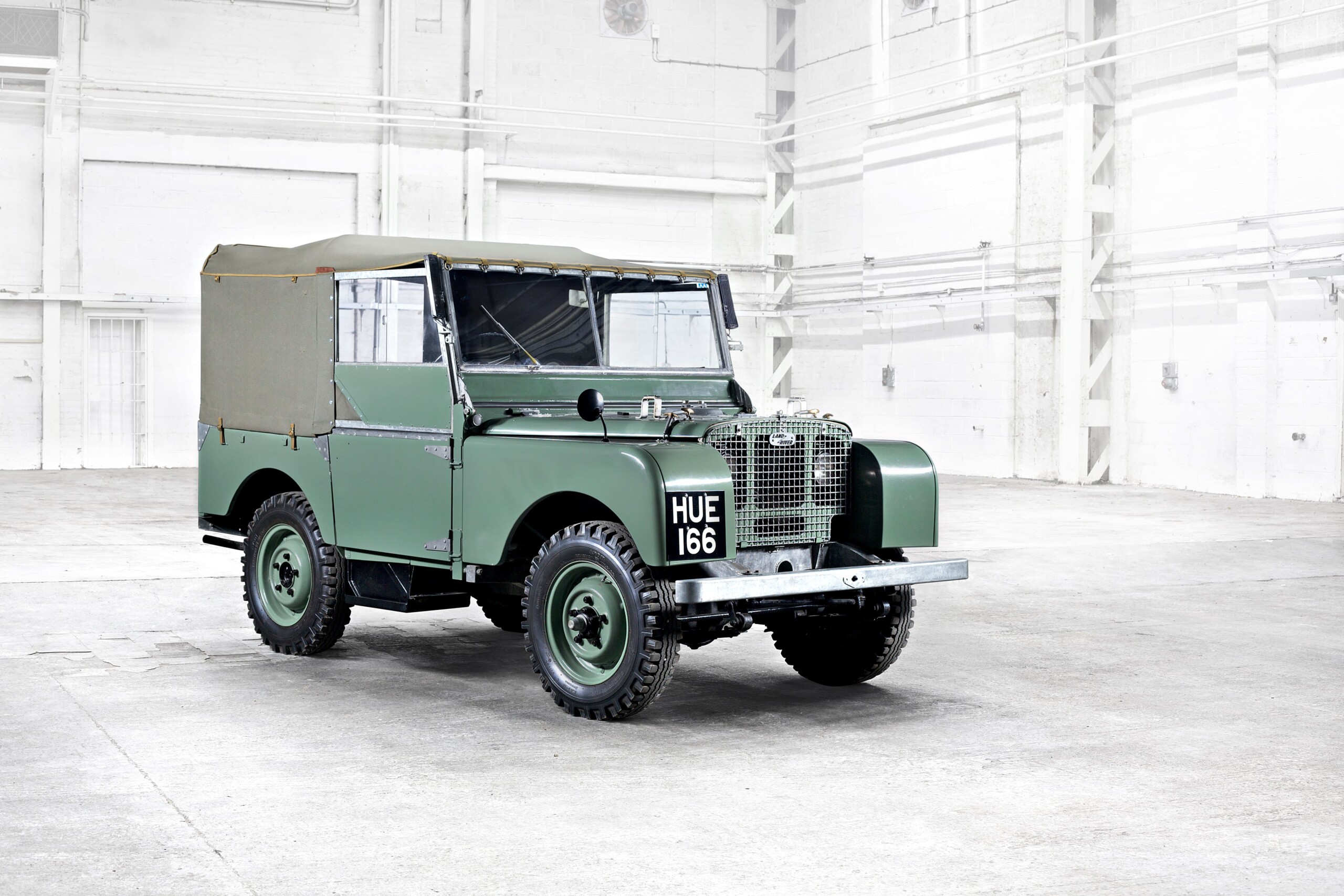
The later Series II and III models retained that same straightforward construction, while their evolution gave rise to the Defender 90 and 110 – now icons in their own right. The fundamentals never changed: upright proportions, a body-on-frame design and mechanicals you could repair with basic tools. When production of the Series and Defender line finally ended in 2016 after 67 continuous years, more than two million examples had been built, their essence remaining remarkably consistent.
Today, classic Land Rovers and Defenders hold a strong foothold in the collector market. Clean Series I–III models and well-kept Defender 90s or 110s consistently rise in value. Around them grows a thriving restomod culture, from V8 conversions to fully electric reinterpretations. Their enduring appeal lies in three things: unmistakable shape, real off-road capability and inherently limited supply – qualities that have cemented their status as some of Britain’s most dependable classics.
MINI – The Small Car That Changed the World
The original Mini was born from a clear need: post-war Britain required a compact, economical and affordable car. Engineer Alec Issigonis delivered something revolutionary. A transversely mounted engine, front-wheel drive and astoundingly efficient use of space created a tiny vehicle that could comfortably seat four.
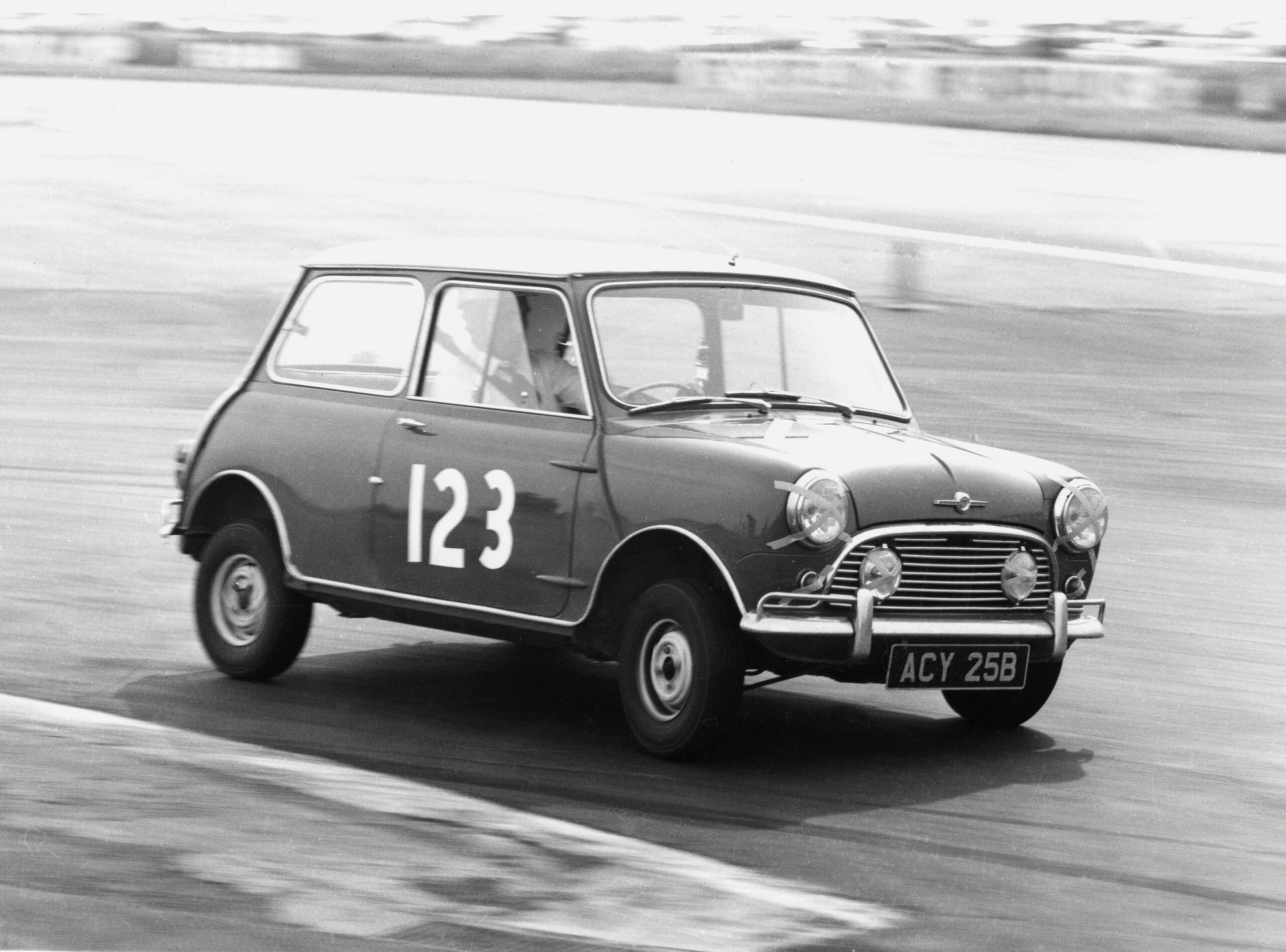
Unexpectedly, the Mini became more than a clever city car – it became a motorsport hero. Recognising its potential, John Cooper developed the Cooper and Cooper S versions with more powerful engines and upgraded suspension. Paddy Hopkirk’s 1964 Monte Carlo Rally victory cemented the Mini’s reputation: a small car could beat far larger, more powerful rivals.
Today, the classic Mini is one of the most versatile British collectibles. The simpler 850 and 1000 models remain accessible choices, perfect for everyday use or weekend driving, while early Cooper and Cooper S versions are prized by collectors. Thanks to its size, charm and unmistakable personality, the Mini fits naturally into modern city life – a car you can drive daily and still proudly call a classic.
British Classics on the Market: Emotion Before Numbers
The classic-car market is more transparent than ever – prices and trends are easy to track. Yet the value of Britain’s Lotus, MG, Land Rover and Mini models cannot be measured by numbers alone. Their worth lies in character: the engineering purity and identity that have shaped them over decades.
The Lotus Elan and early Elise generations are considered some of the finest lightweight sports cars ever built. The MGB and MGB GT stand among the most accessible classic sports models – simple, reliable and gracefully ageing. Land Rover Series and Defender models have earned long-term value through function rather than image. And the Mini Cooper S continues to play a double role: it is both a lively cultural icon and a compelling collector’s piece.
These are cars that embody more than engineering – they carry emotion, heritage and the timeless appeal of British motoring.