British Classic Cars: A Legacy of Design, Heritage, and Value
In the world of classic cars, Great Britain holds a unique and prestigious place. These are not just machines – they are stories forged in racing circuits, aristocratic courtyards, and environments shaped by British aesthetics. The four titans: Aston Martin, Jaguar, Bentley, and Rolls-Royce – have each, in their own right, defined more than a century of British engineering, design, and mechanical culture. These brands didn’t just follow trends, they created them.
Aston Martin: The Symbol of British Grand Touring Elegance
Aston Martin was born from a belief that sportiness and elegance could coexist in a single machine. The early DB series shaped the brand’s DNA: long hoods, gracefully proportioned bodies, and grand tourer posture, suited for both spirited drives and refined, long-distance cruising. There’s no aggression here, only precision and sophisticated strength.
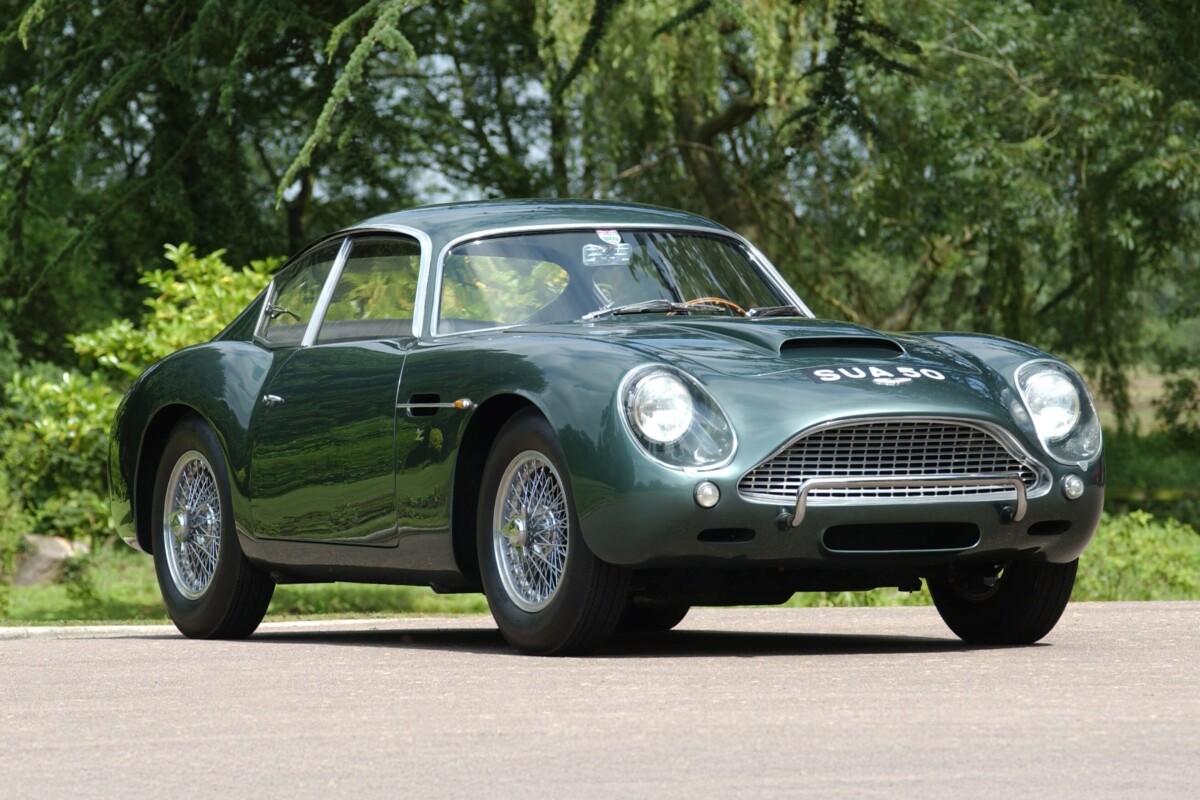
A standout chapter in this legacy is the DB4 GT Zagato, introduced in 1960. Only 19 units were built, fusing British sportscar purity with Italian design finesse. Lightweight, purposeful, and with race-bred character, it remains one of the finest expressions of Aston Martin’s sporting tradition. Every line serves a function. Nothing is ornamental. Rhythm and proportion define its presence.
The brand also weathered turbulent periods. In the 1980s and 1990s, Aston Martin’s production fluctuated between passion and financial uncertainty. Cars like the Virage didn’t always meet the technical expectations of purists. Yet throughout these decades, the brand’s integrity never vanished. Every Aston Martin was still hand-built, crafted with mastery and with a philosophy that understood performance as a feeling, not just raw numbers. This continuity is what preserved the Aston character – instantly recognizable and unapologetically authentic, even as eras changed.
Jaguar: The Union of Design, Sport, and British Refinement
Jaguar created a car that many still call the most beautiful in the world – the E-Type. Unveiled in 1961, it drew on solutions from the D-Type race car, blending lightweight engineering with flowing proportions that became icons of British design. Its long bonnet, fluid lines, and smooth power delivery made it a sports car that didn’t sacrifice style.
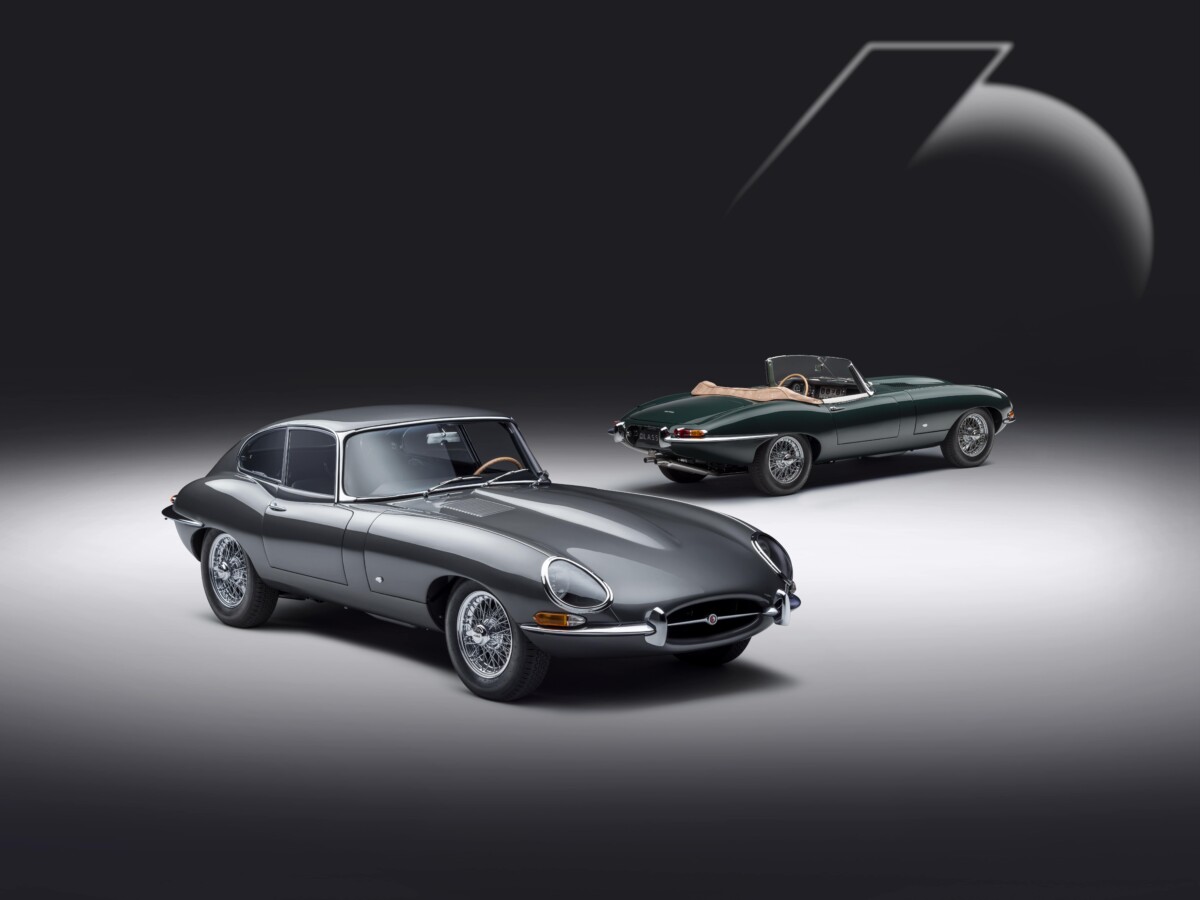
But the E-Type wasn’t just beautiful – it was important. It delivered race-bred performance at an attainable price and opened up classic motoring to a broader generation of enthusiasts. It was a car that looked just as good on the track as it did pulling up to a theatre.
Jaguar’s story didn’t end with the E-Type. The V12-powered XJS, once viewed as a tamer, more modest successor, is now enjoying a renaissance among those who appreciate a calmer, more refined type of sportiness. With subtle power and unmistakable British mannerisms, the XJS wasn’t loud, it was cultured. Meanwhile, the mass-market X-Type, while accessible, lacked Jaguar’s sporting soul and remains less appreciated in collector circles.
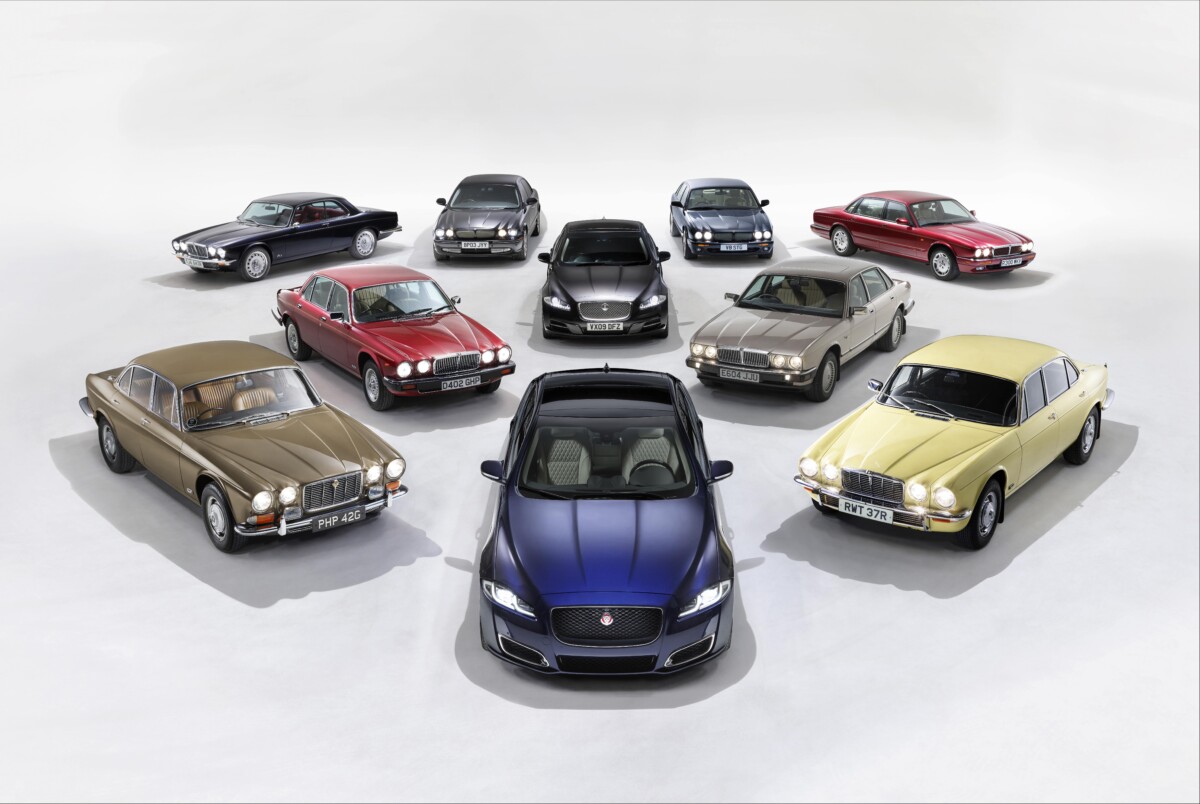
What Jaguar mastered was consistency: flowing lines, a sense of movement, a respect for performance that never turned vulgar. Even as eras changed, the brand kept its stylistic integrity. That continuity is why Jaguar’s place in motoring history remains so vivid.
Bentley: Luxury Born from Speed
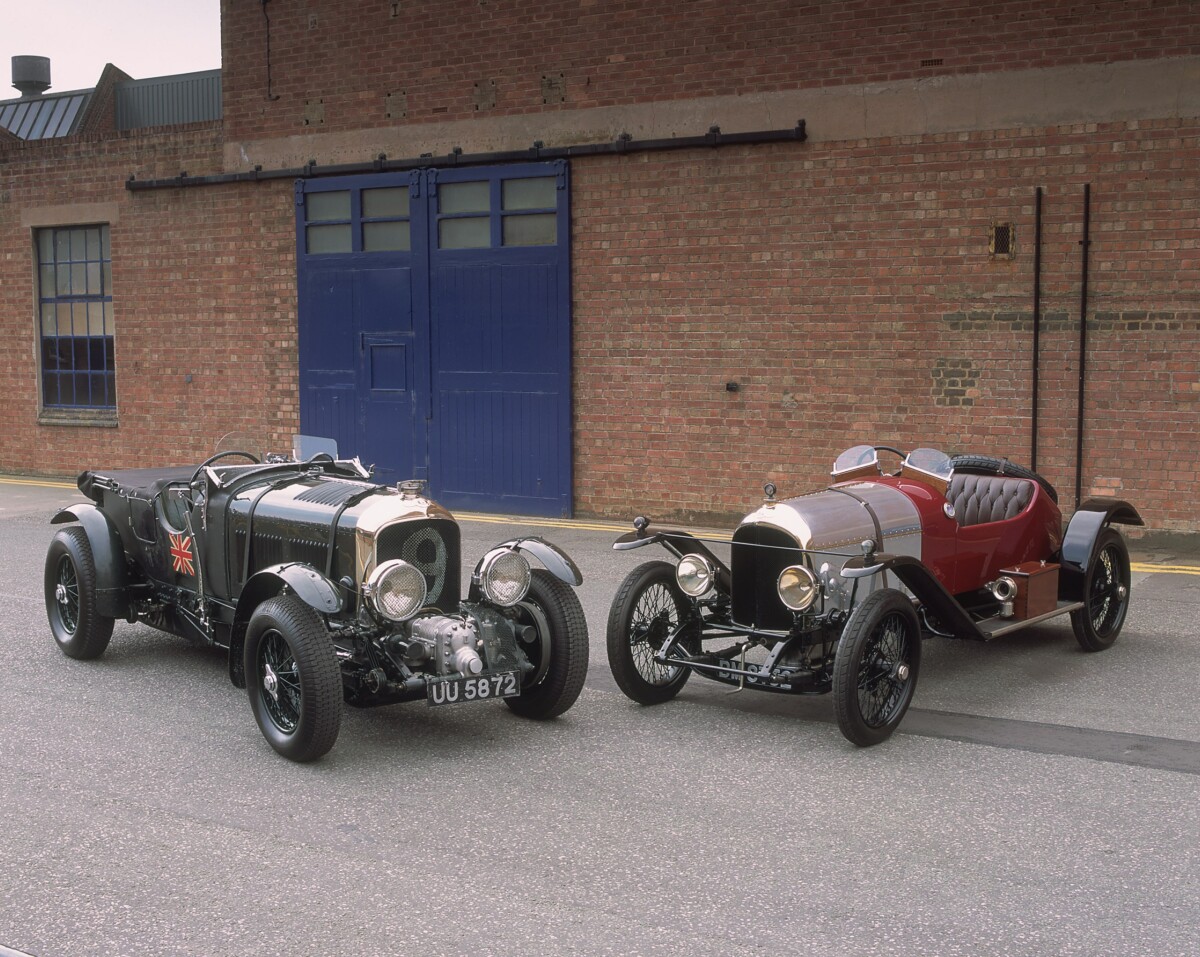
Bentley’s origins are not in leather and champagne, but in grit and glory. In the 1920s, the Bentley 4½ Litre conquered Le Mans, proving that power and endurance could live under one bonnet. These cars weren’t conceived as status symbols – they were forged by a belief that speed and strength could be fused with British character.
The “Bentley Boys,” a charismatic group of gentleman racers, gave the brand its unique spirit – rebellious, fast, but undeniably elegant.
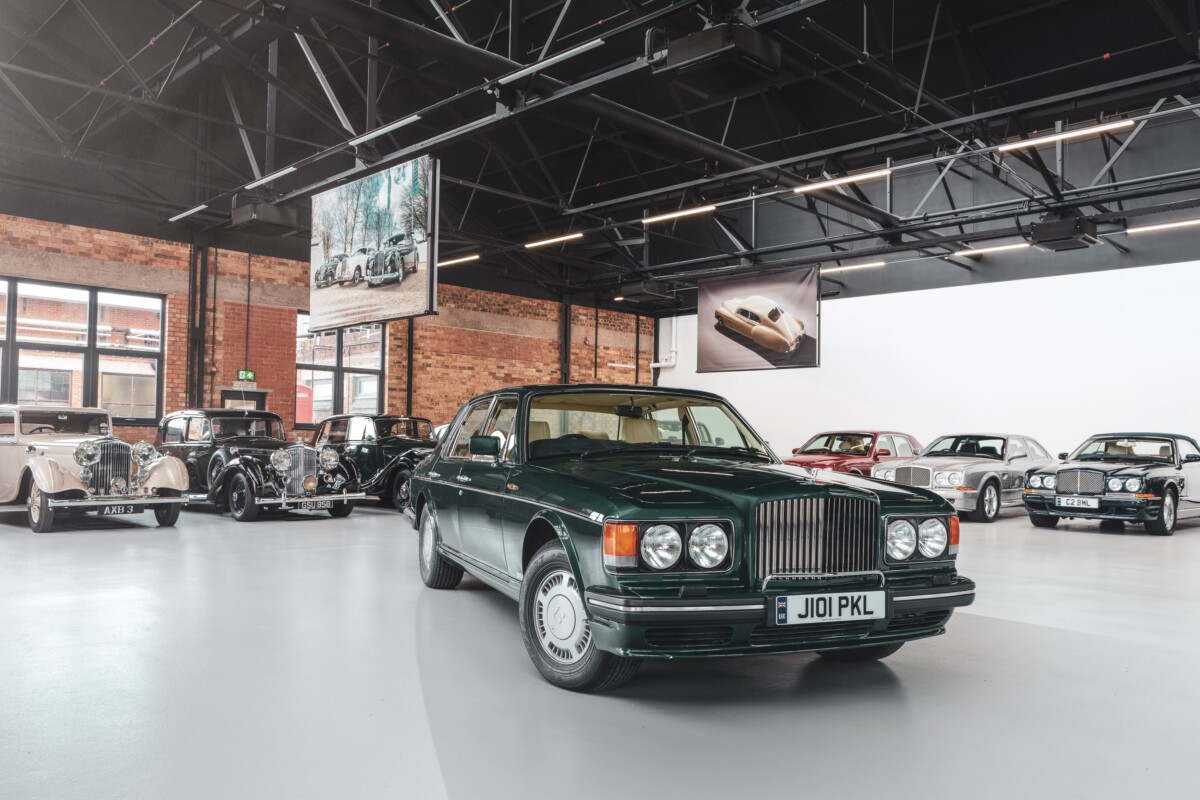
Post-WWII, Bentley shifted toward luxury. Their cars became quieter, larger, and more comfort-focused. Models like the Turbo R and Brooklands combined British solidity with understated power. These were not showy machines, but their presence was unmistakable.
Bentleys have always projected a calm, confident strength. Their design speaks not of flashiness, but of precision and purpose. This brand never chased loudness; it just cultivated legacy. Even when wrapped in thick carpets and wood trim, Bentley’s DNA always included the scent of motorsport.
Rolls-Royce: Silence, Craftsmanship, and Aristocratic Composure
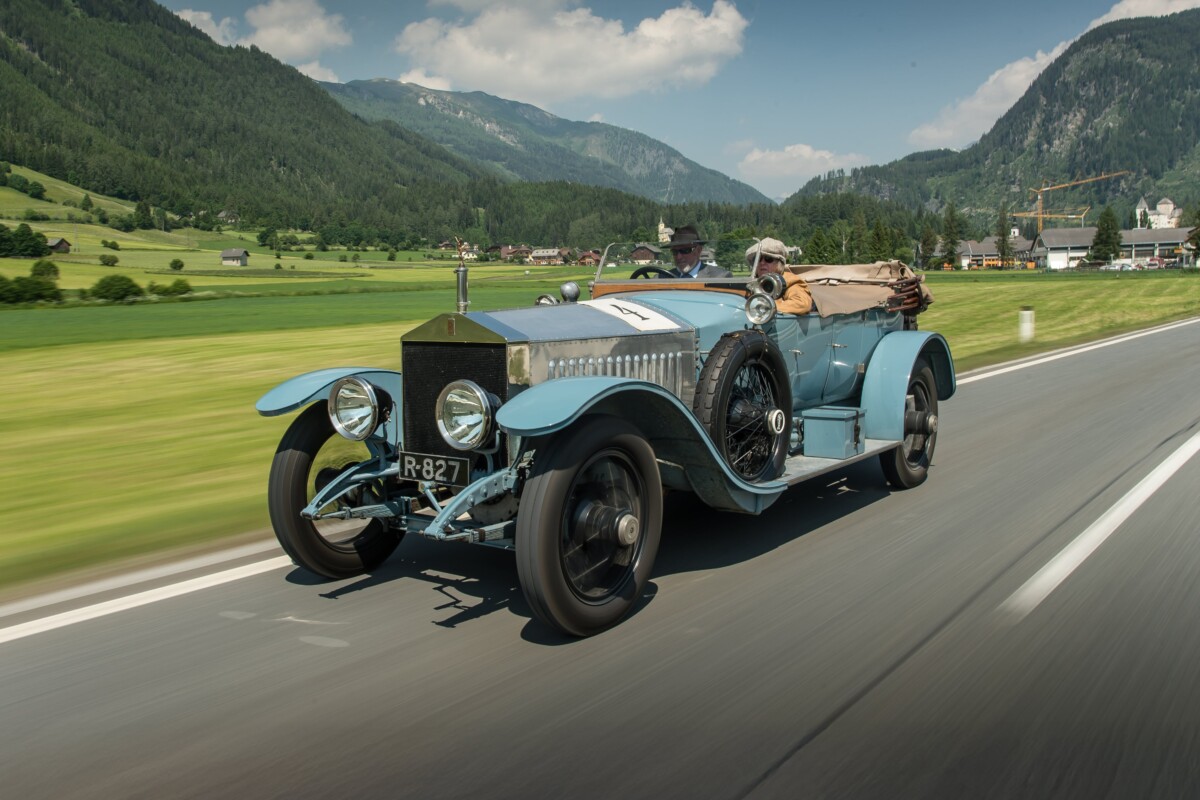
Rolls-Royce has always been a car where the quality of the journey matters more than the speed. The Silver Ghost, introduced in 1906, became the global benchmark for silent, smooth motoring. It defined what a luxury car should feel like – technically perfect, beautifully made, and sonically serene.
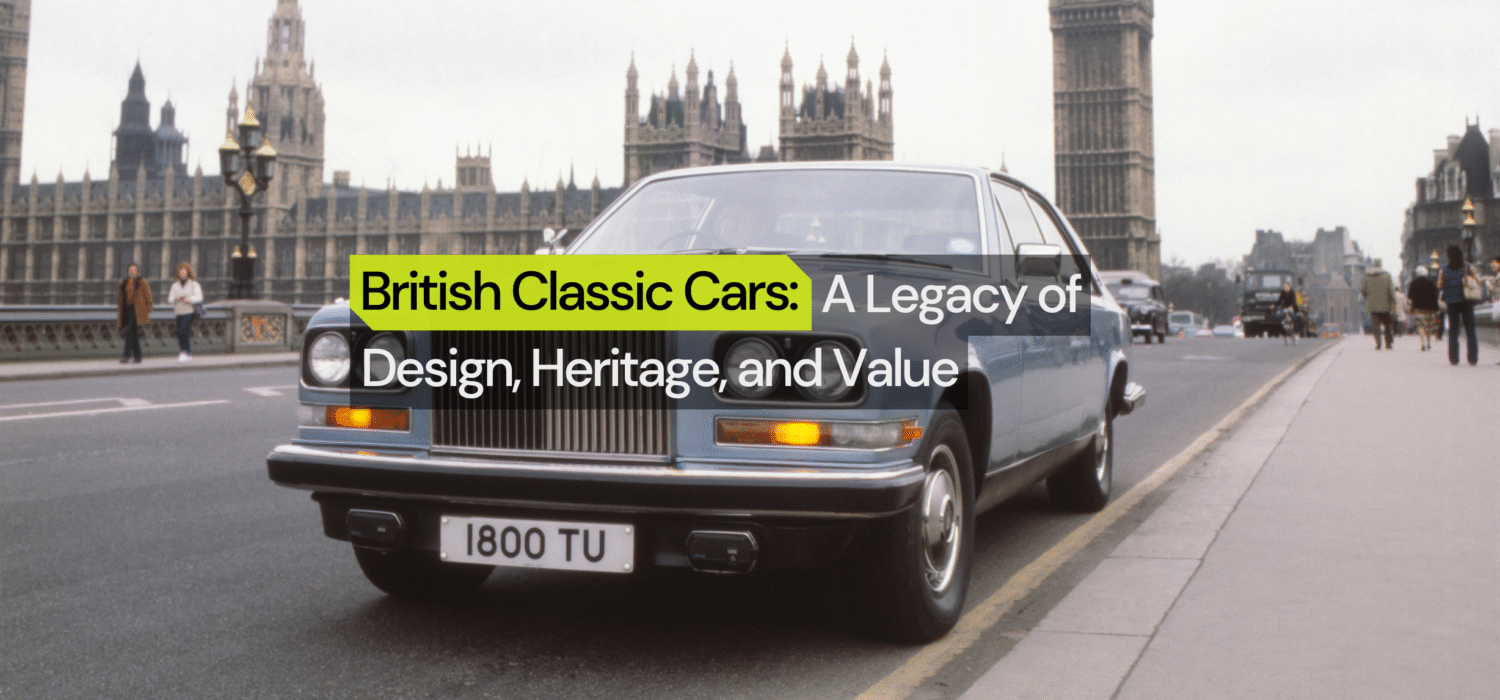
The brand has also taken bold steps. In 1975, Rolls-Royce released the Camargue, a striking and controversial two-door coupe. Only 529 were made. Its unconventional lines were met with mixed opinions, but its individuality gave it lasting appeal. It remains an eccentric but important footnote in Rolls-Royce’s long and steady story.
Rolls-Royce is more than engineering. It’s a philosophy. Every car is a sanctuary, crafted not for rush but for presence. That timeless, composed elegance is what keeps Rolls-Royce firmly anchored as a pillar of British motoring tradition.
The British Classics, Today
Over a century of carmaking, Britain shaped a language of automotive design and engineering that still resonates today. The sculptural purity of the E-Type, the razor-sharp lightness of the DB4 GT Zagato, the speed-turned-into-luxury story of Bentley, and the almost monastic silence of Rolls-Royce – each tells a different version of the same truth: character matters.
These cars are not just transport. They are time capsules: stories you can drive, polish, restore, and pass on. Aston Martin, Jaguar, Bentley, and Rolls-Royce blend engineering precision with aesthetic clarity and the kind of driving emotion that only classic machinery can deliver. Their value lies not just in their rarity, but in the unmistakable sense of origin, purpose, and feeling.
And that’s why, for collectors and connoisseurs alike, British classics remain a lasting, compelling presence in any garage worth its name.