

11 Models That Could Gain Value in 2026
Not every car that looks distinctive stays valued over time. Some remain products of their era, while others gain real weight as years pass. Most often, that comes not from image but from engineering logic that outlasts short-term trends, technical consistency, and a clearly defined purpose.
Below are 11 models from different periods that became notable through a clear technical idea, authentic factory specification, and an established place in automotive history. These are not just vehicles; they are engineering statements shaped by their time.
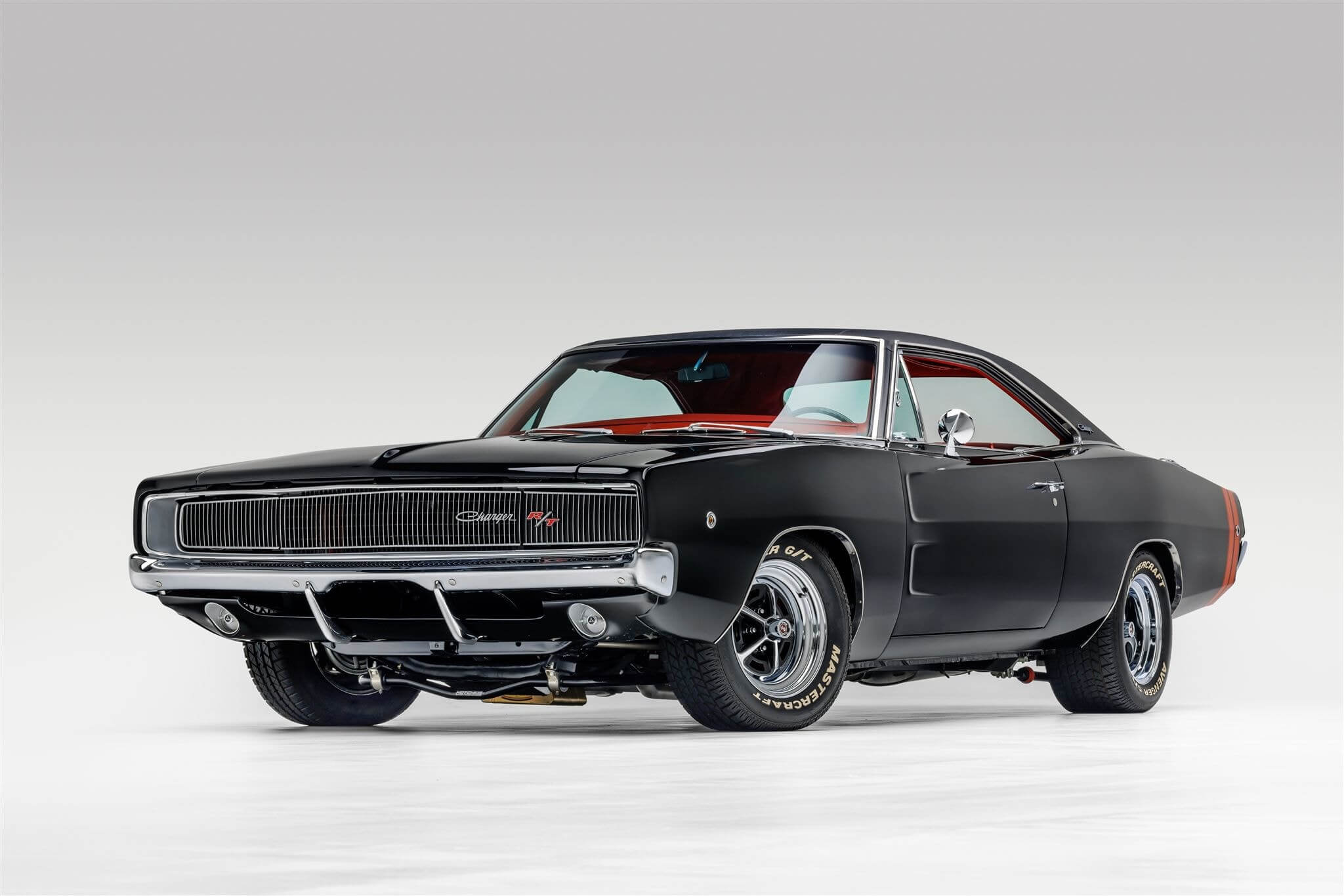
Dodge Charger (1968–1970)
The second-generation Dodge Charger was a large-format coupe built for stable, confident driving over longer distances. Its long side line, wide body, and closed-off form created a heavy, instantly recognizable silhouette. The core was straightforward: rear-wheel drive, a range of V8 engines, and a strong platform. Trim levels changed power output, but the underlying concept stayed consistent throughout production. The Charger’s value is supported not only by history, but also by broad demand across multiple generations.
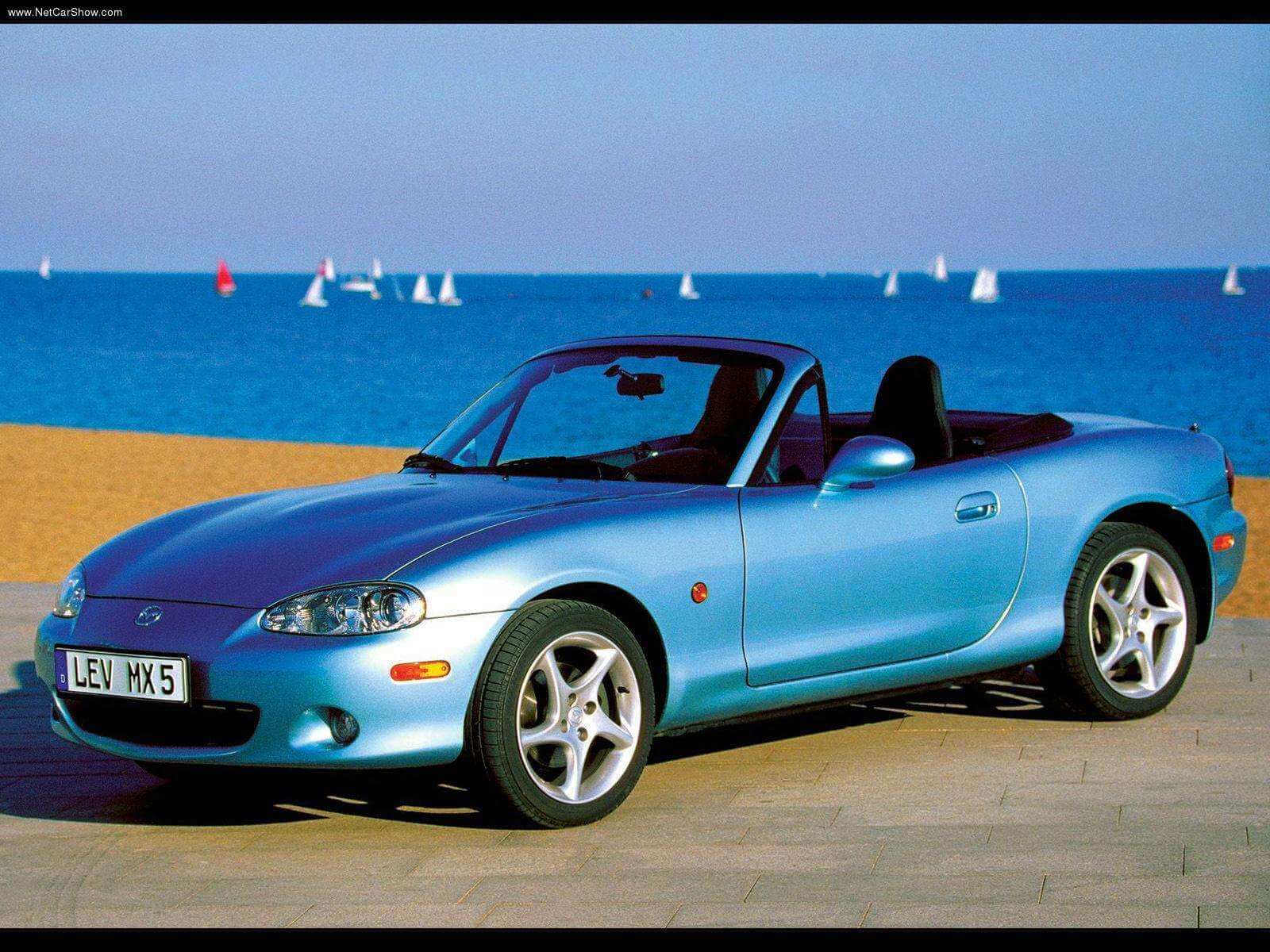
Mazda MX-5 Miata NB (1999–2005)
The second-generation MX-5 Miata continued the original’s open-top sports car idea. A stiffer body, improved chassis tuning, and a wider engine range kept the same compact sports car philosophy intact. Low weight and simple mechanical layout remained defining traits of the NB. Body, suspension, and transmission choices changed only slightly across the run. For a long time, NB versions were underappreciated, but the shrinking number of clean examples is starting to shift that reality.
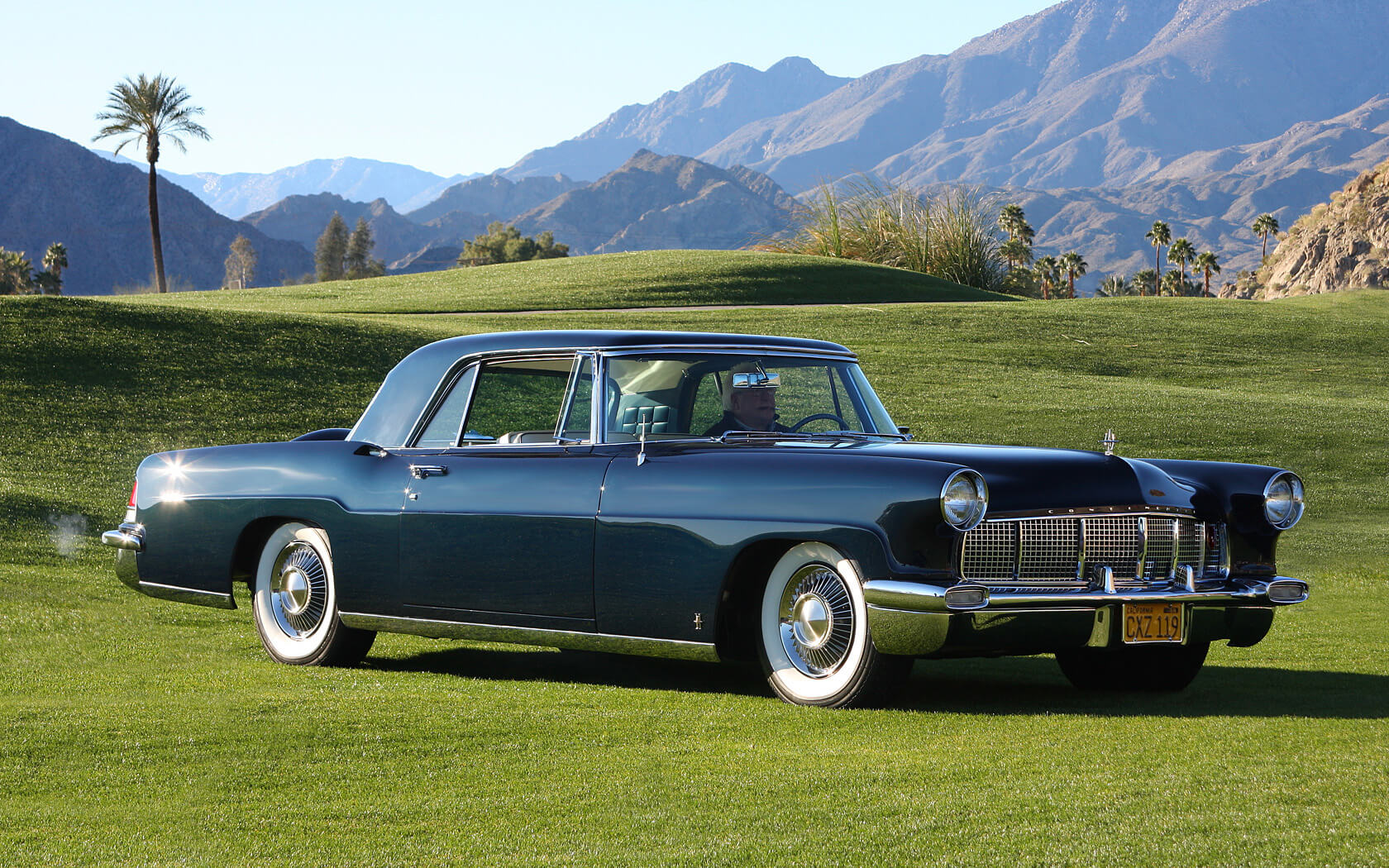
Continental Mark II (1956–1957)
The Continental Mark II was developed as a separate Continental Division project, not tied to the Lincoln model line. From the start, this large luxury coupe was never meant for mass production. A hand-built body, high assembly precision, and restrained styling defined its character. Technical and trim decisions stayed consistent during its short production run, and limited numbers clearly separated the Mark II from other American cars of the era. Because of its low production and well-defined identity, the Mark II remains niche today, yet it tends to hold value steadily.
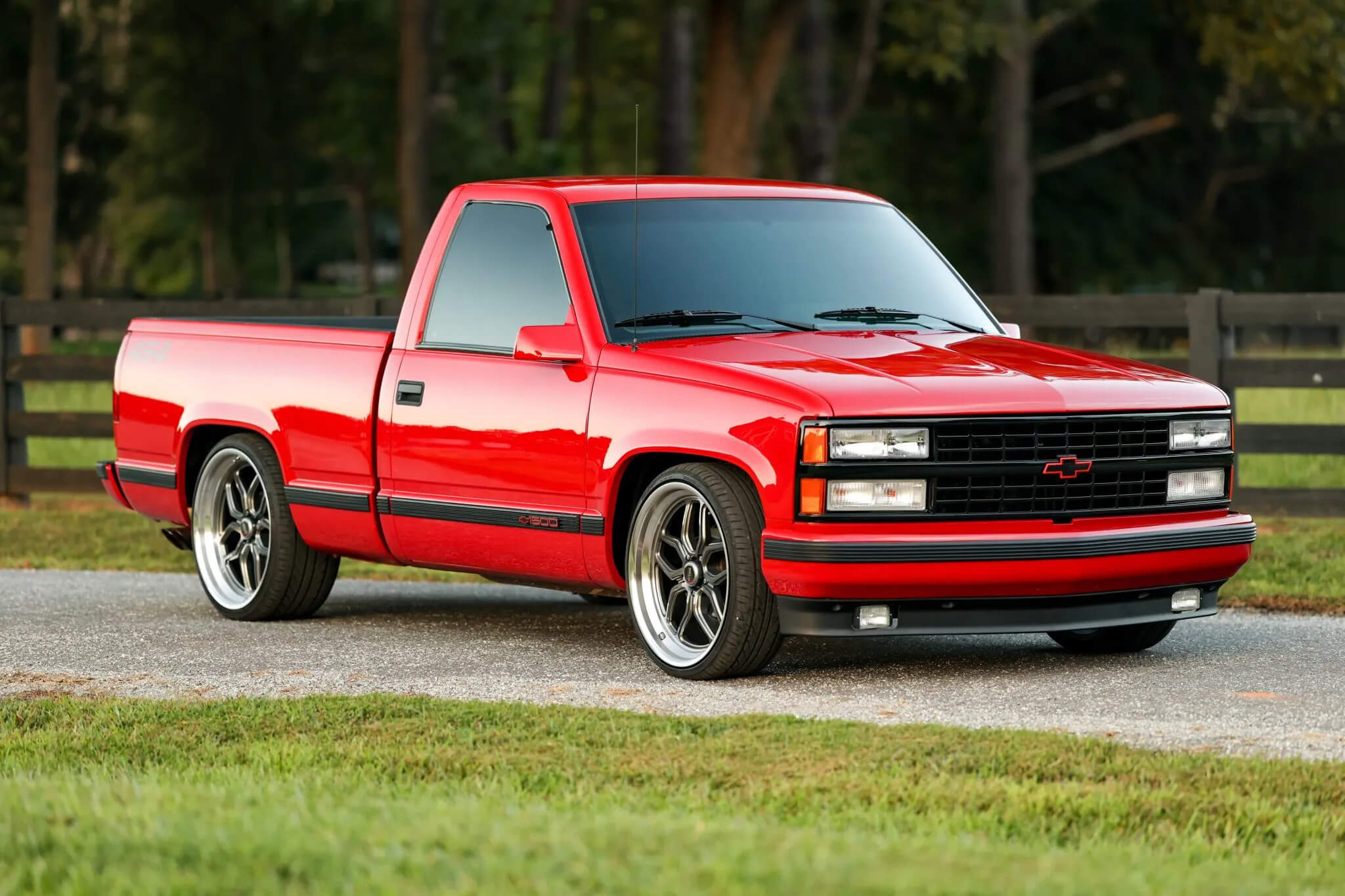
Chevrolet 454 SS (1990–1993)
The Chevrolet 454 SS was a pickup built around a clear technical purpose. Its foundation was a 7.4-liter V8, a shorter wheelbase, and a rear-wheel-drive layout that set it apart from typical work pickups of the time. The overall package relied on simple mechanical choices: limited comfort equipment, conventional suspension, and minimal extra systems. That concept aligned perfectly with the American mechanical mindset of the period. The 454 SS gains value through clarity of purpose and era-correct authenticity that modern equivalents do not replicate.
Chevrolet Corvette Z06 (2006–2013)
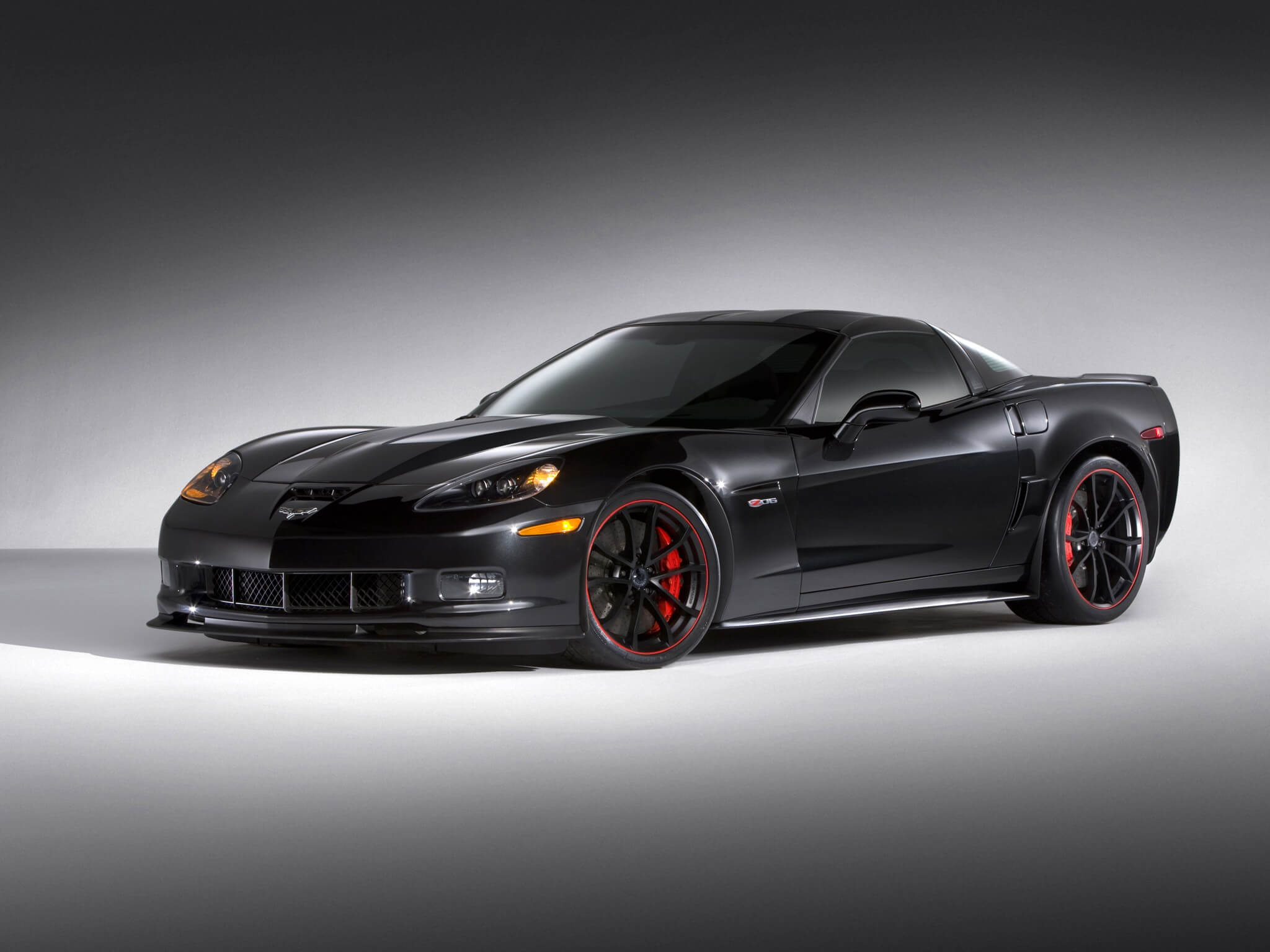
The C6-generation Corvette Z06 was a sharper, lighter interpretation of the base Corvette. A 7.0-liter naturally aspirated V8 was paired with a manual gearbox and rear-wheel drive. The use of aluminum, carbon fiber, and magnesium helped reduce weight. Chassis and brake configuration stayed consistent throughout production, avoiding a shift toward comfort-focused add-ons or heavy driver aids. In recent years, Z06 pricing has reached a low point, while growing interest from younger enthusiasts suggests a possible move upward.
Alfa Romeo GTV (1969–1972)
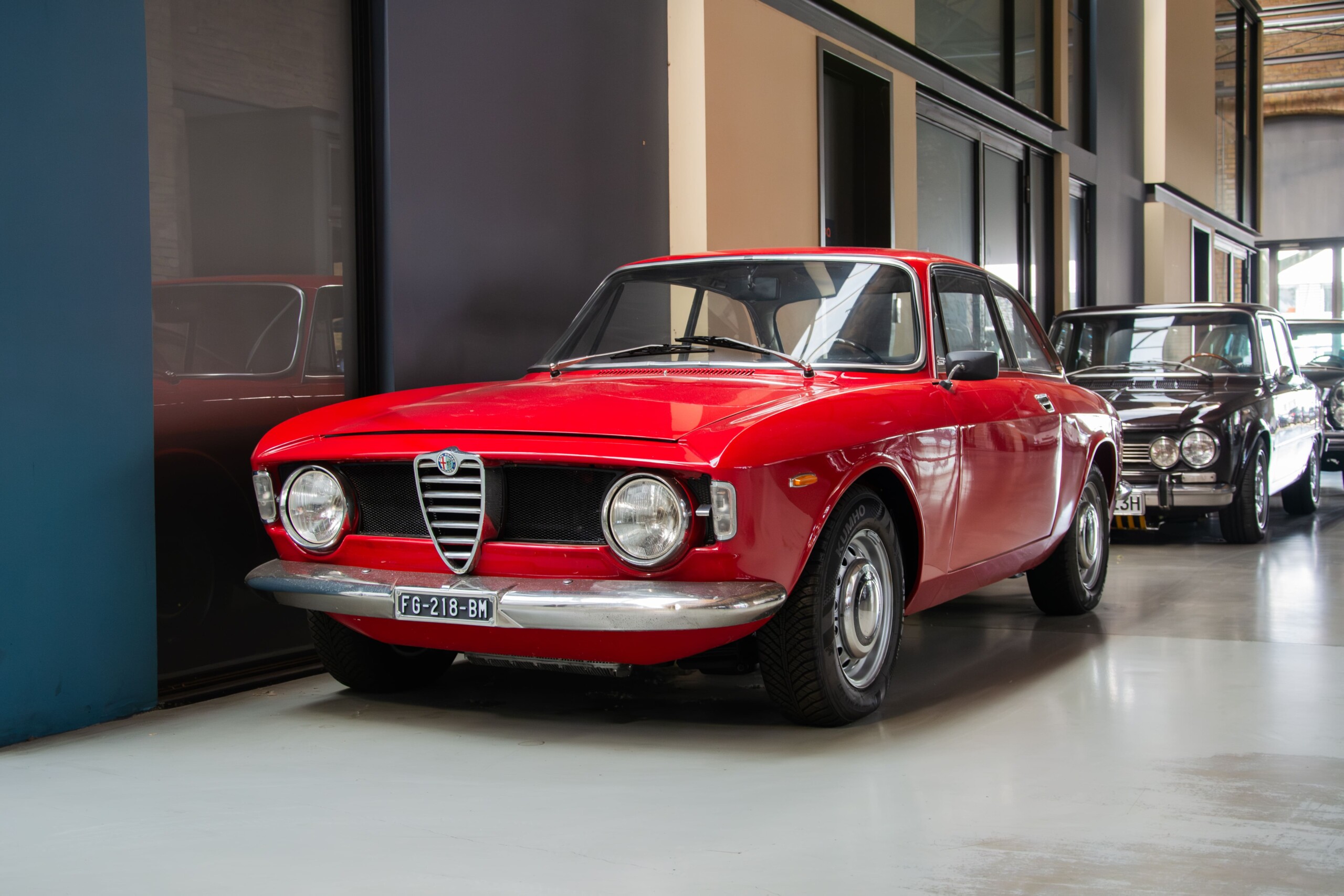
The Alfa Romeo GTV was a compact two-door coupe from the Giulia family. Its Bertone-designed body featured clean proportions and a balanced silhouette that changed very little during production. Front-mounted naturally aspirated four-cylinder engines and manual gearboxes formed the technical base. Rear-wheel drive, low mass, and simple suspension choices preserved a light, direct character without major structural changes. The GTV’s value is supported not only by design, but by a driving feel that is becoming increasingly rare.
BMW M5 E60 (2006–2010)
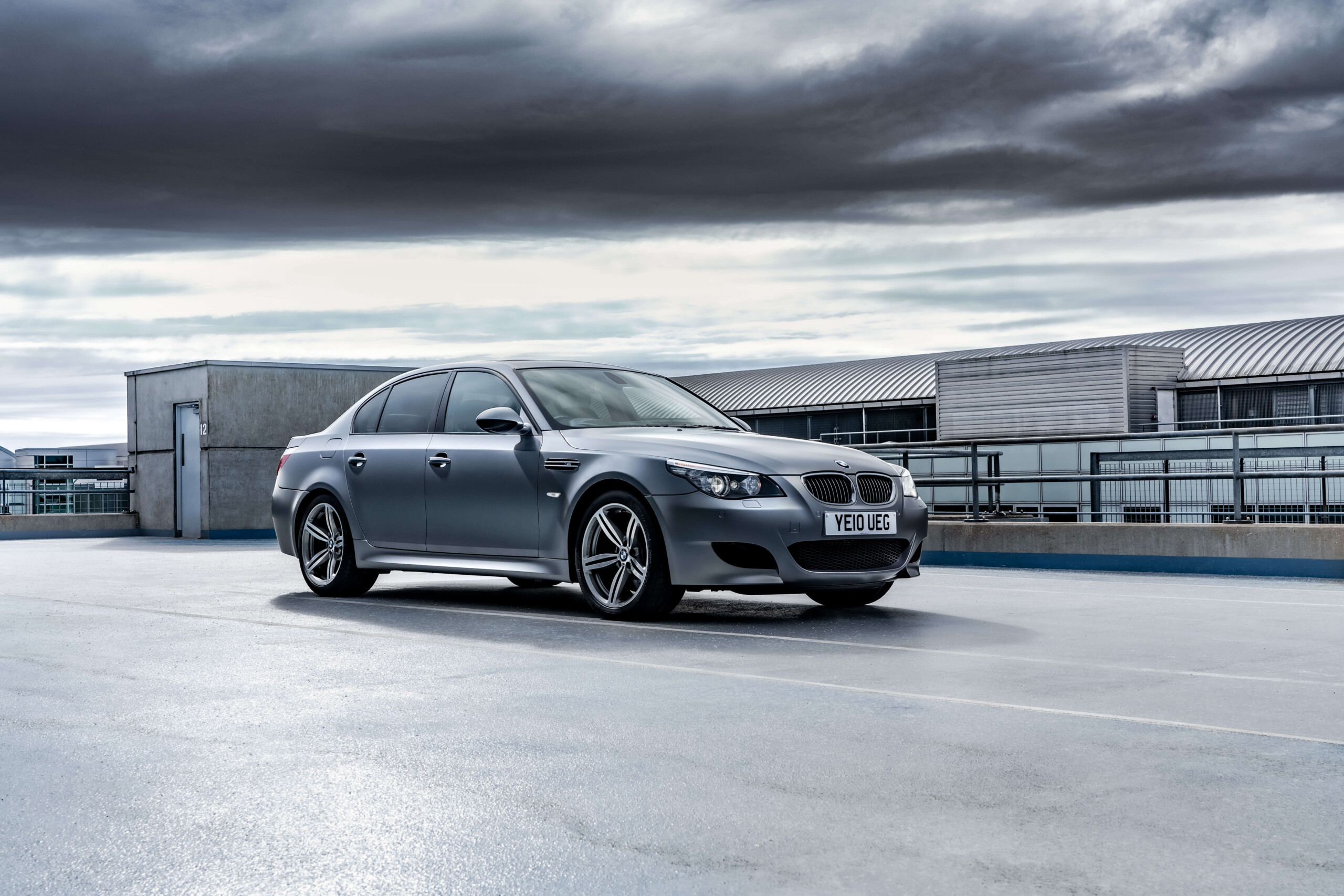
The E60-generation BMW M5 stood out for its 5.0-liter naturally aspirated V10, the only engine of its kind in M5 history. It was paired with rear-wheel drive and offered with manual or automated transmissions. The large sedan body was tuned around a high-revving powertrain personality. Suspension, brakes, and drivetrain choices were aligned to that technical idea. Manual versions are becoming increasingly scarce, and collector value is forming around the car’s uniqueness rather than just performance numbers.
Dodge Ramcharger (1981–1993)
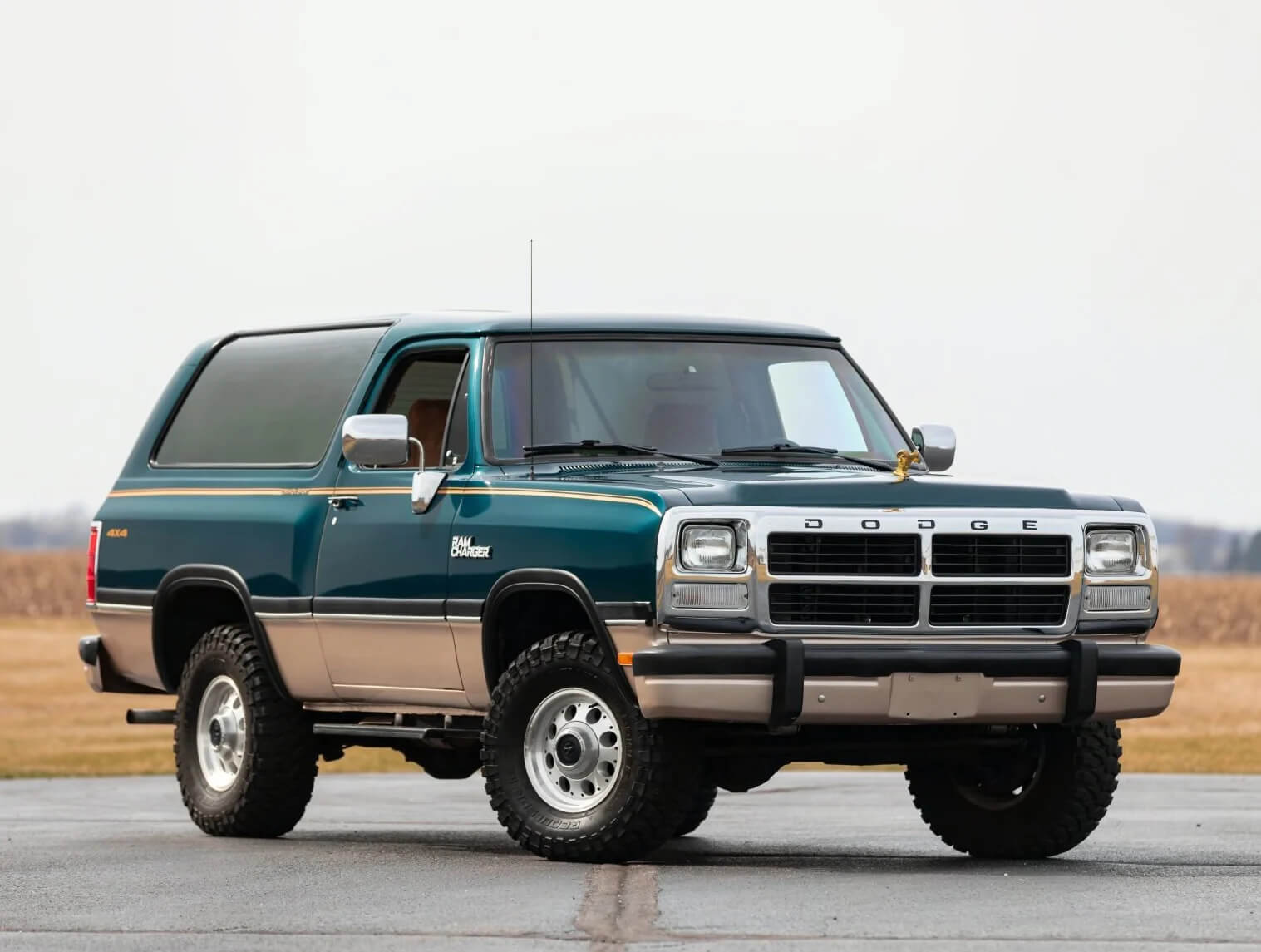
The second-generation Dodge Ramcharger was a body-on-frame SUV with a closed body and short wheelbase. High ground clearance and simple technical choices matched the logic of a working SUV. V8 engines, rear-wheel drive or four-wheel drive configurations, and manual gearboxes formed the core setup. Comfort equipment was minimal, and specification stayed focused on essentials. Its value is supported by relatively limited supply and rising interest from younger buyers, especially those who missed the price surge of Bronco or Blazer.
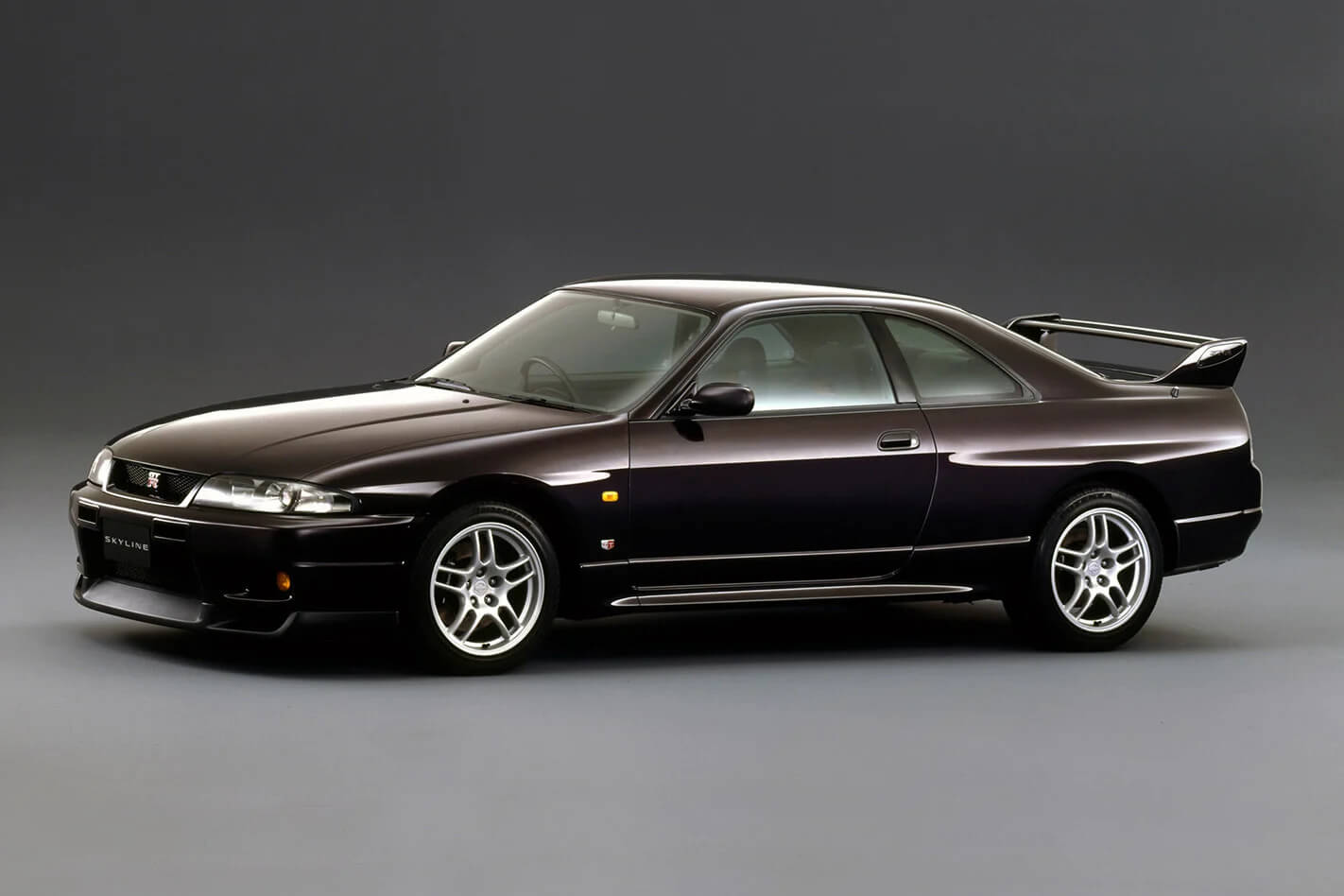
Nissan Skyline GT-R R33 (1995–1998)
For a long time, the R33 Skyline GT-R was viewed as a transitional model, and that is exactly what makes it interesting today. More advanced than the R32 and often more rational on price than the R34, the R33 changed proportions and increased platform stiffness. A larger body and longer wheelbase brought more mass and a different layout balance. The RB26DETT twin-turbo inline-six, ATTESA E-TS all-wheel drive, and Super-HICAS rear steering formed the GT-R’s technical foundation. Revised suspension geometry improved high-speed stability. Recently, the R33 has started to look like a sensible entry point into the GT-R world.
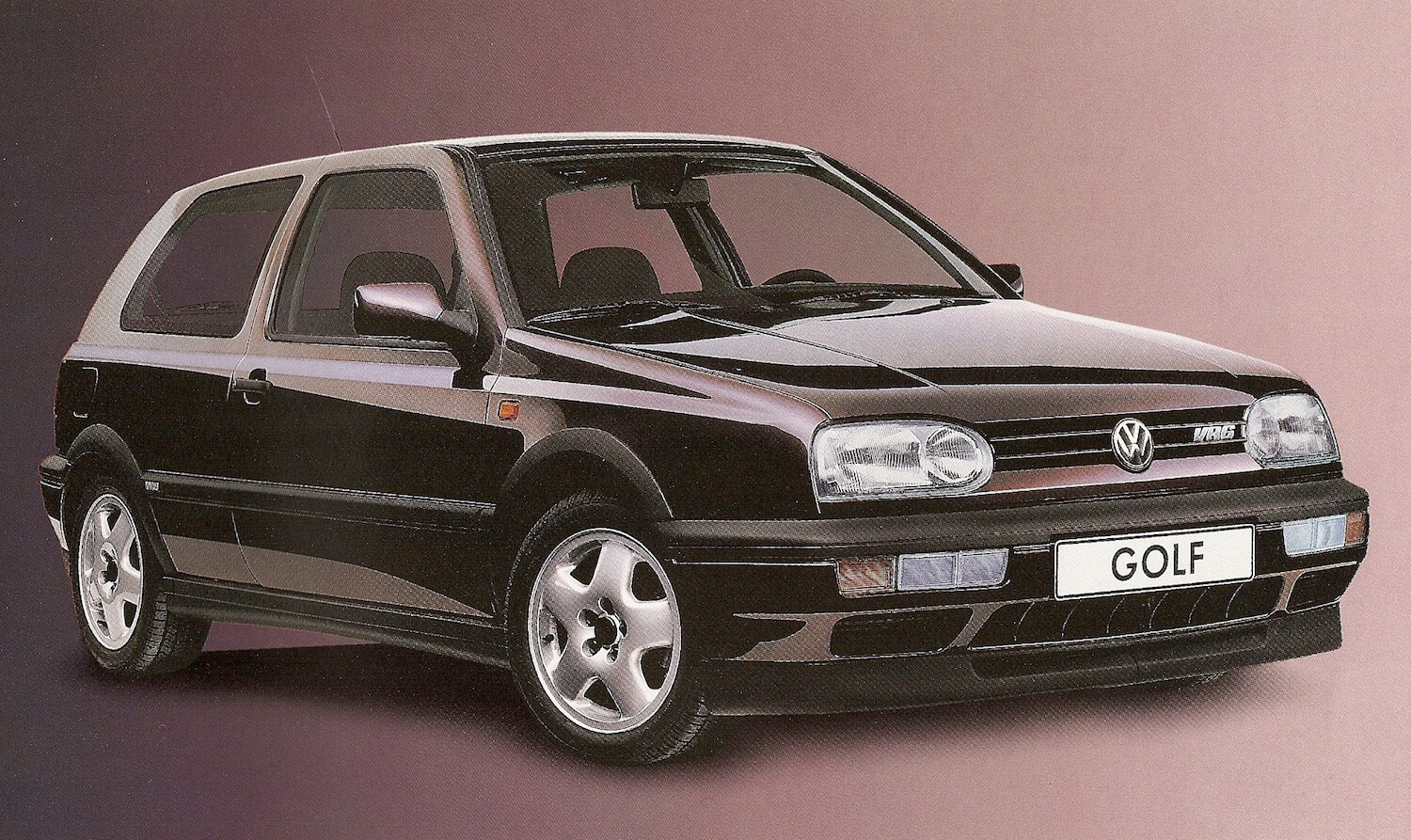
Volkswagen Golf GTI VR6 (1995–1998)
The Mk3 Golf GTI VR6 was defined by one key decision: fitting a six-cylinder VR6 engine into a compact hatchback. That engine gave the car weight and sound that earlier generations did not have. It also changed weight distribution and the overall technical layout compared with earlier GTI models. The VR6 was paired with front-wheel drive and manual gearboxes. Suspension and braking were adapted to the heavier engine, while the base structure stayed close to the standard Mk3 Golf, without additional complicated systems. Clean, unmodified examples are becoming harder to find, and value growth is increasingly driven by period identity rather than outright sportiness.
Porsche Carrera GT (2004–2007)
The Porsche Carrera GT is one of the purest examples of the analog supercar era. It is a supercar built around a carbon fiber structure. A naturally aspirated V10 sits behind the driver, ahead of the rear axle, paired with a manual gearbox and rear-wheel drive. Minimal extra systems and a chassis matched to power and weight define its character. The concept remained a one-off and was not continued in other Porsche models. Very limited production, a clear technical story, and the shrinking supply of analog supercars in the market support long-term value.

These are very different cars, linked not by era or origin, but by a clear technical idea. The Dodge Charger and Ramcharger reflect an American approach to the automobile, simple, powerful, and built for a defined job. The Mazda MX-5, Alfa Romeo GTV, and Golf GTI VR6 show how lightweight, everyday sports cars were executed across different periods. The Corvette Z06, BMW M5 E60, and Skyline GT-R R33 point to a time when engineering choices were not yet tightly constrained. The Porsche Carrera GT stands apart in this group as a car whose technical concept remained singular.
The article is based on Hagerty Insurance data.